English| EUR
Suggested for you
More currencies
Book Now
Open today · 08:00–17:00

Boquete Coffee Plantation Tour

Boquete Coffee Plantation Tour — Guided Farm Visits & Geisha Tastings

Volcanic soil in the morning cup, cloud forest at the ridgeline.

50K+ travelers chose this
Free Cancellation
Right now: Moderate — summer season Check weather forecast for mountain rain before travel.
Free Cancellation
Free cancellation Instant confirmation Mobile voucher Verified partner Book now, pay later
35 USD
Entrance fee
Standard per-person guided tour fee
08:00–17:00
Opening hours
Open daily for all visitors
09:00–14:00
Best arrival
Aligns with standard tour departures
+507 6591 3522
Contact number
Direct inquiry line
Choose your ticket

Boquete Coffee Plantation tickets at a glance

Compare fares, pick the fit — all bookings are mobile-voucher and eligible for free cancellation where shown.

Private Specialty Coffee Experience in Boquete 3 hr
Luxury / Private

Private Specialty Coffee Experience in Boquete

4.9 (63)
€150
  • Private experience
  • Personal attention
  • Premium amenities
  • Free cancellation
Book this ticket
Electric Bike Coffee Farm Experience in Boquete 3 hr
Standard Entry

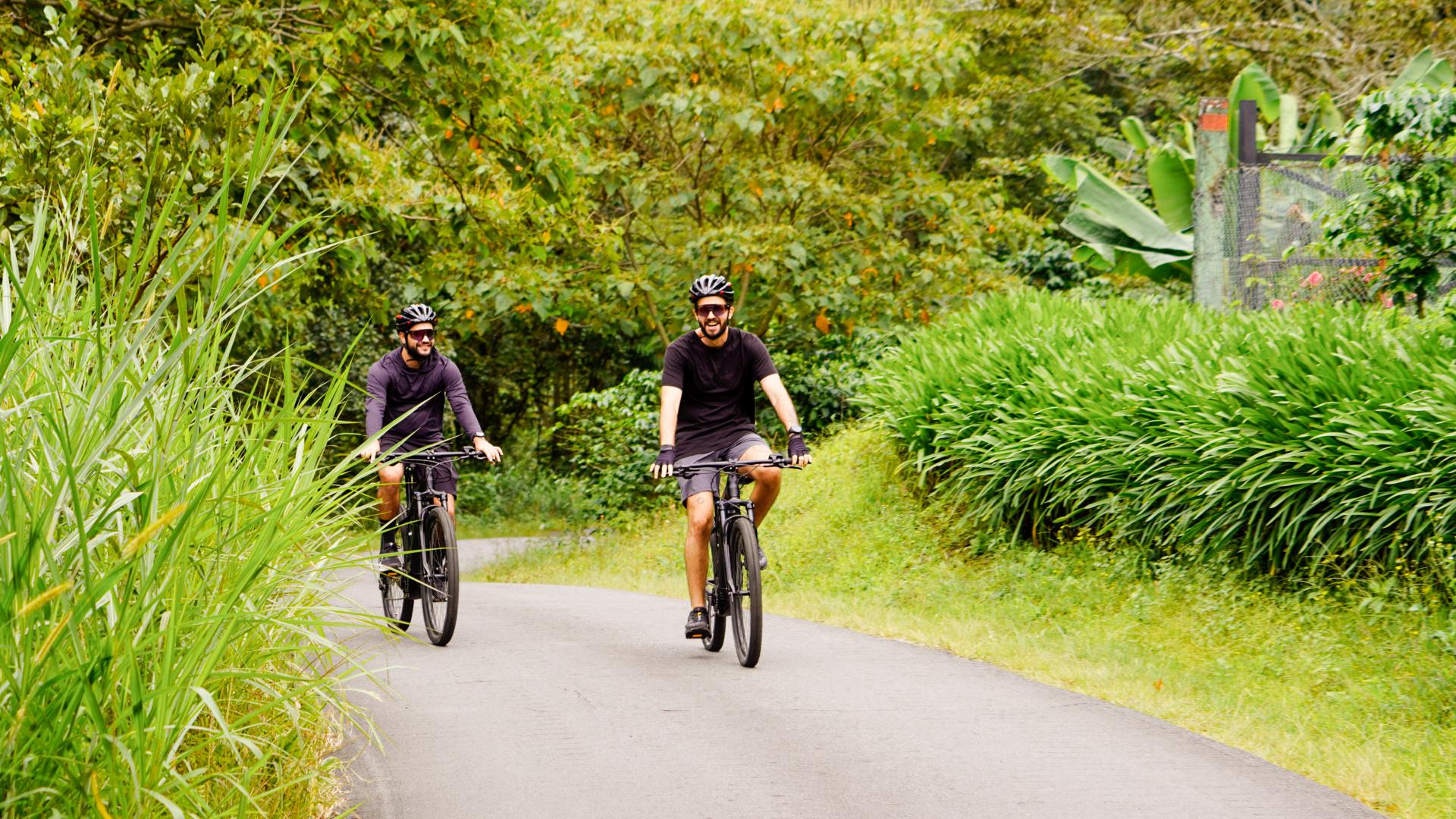
Electric Bike Coffee Farm Experience in Boquete

4.9 (11)
€73
  • Entry ticket
  • Mobile voucher
  • Valid same day
  • Free cancellation
Book this ticket
Compare options

Selecting Your Boquete Coffee Plantation Tour Ticket Type

Experience DurationRatingGuideSmall groupFree cancel. Price
Standard Entry
Most popular
Interactive Coffee Workshop with Geisha Tasting in Boquete
2 hr 45 min★ 5.0 €43 Book →
Luxury / Private
Private Specialty Coffee Experience in Boquete
3 hr★ 4.9 €150 Book →
Standard Entry
Electric Bike Coffee Farm Experience in Boquete
3 hr★ 4.9 €73 Book →

Is a Boquete Coffee Plantation Tour Worth the Price?

Worth it for coffee-curious travelers, skippable for casual sippers

A boquete coffee plantation tour costs 35 USD per person for a guided walk and tasting, and the value hinges on whether you care how coffee is made. What you get is the full chain in one sitting: volcanic soil on the slopes of Volcán Barú, cherry picking, depulping, patio and raised-bed drying, roast profiles, then a cupping where a guide walks you through what you're smelling. The real draw is Geisha — the varietal that made Chiriquí famous at auction — served alongside washed and natural lots so you can taste why it commands what it does. That comparison is the thing a café counter can't give you. Cafelier's guided tasting and the Río Cristal farm visit lean sensory; the interactive workshop and private specialty experience lean deep; the electric bike option trades classroom time for terrain. Buying boquete coffee plantation tour tickets pays off for anyone who grinds their own beans at home. If coffee is just caffeine to you, a good espresso in town does the job for a fraction.

What makes it worth it

  • Geisha tasting alongside washed and natural comparison lots
  • See picking, depulping and drying in one visit
  • Guided cupping explains flavor notes you'd otherwise miss
  • Small-farm access on Volcán Barú slopes
  • Multiple formats: workshop, private, bike, or tasting-room

Keep in mind

  • Steep 35 USD ask if coffee is just caffeine
  • Farm paths get muddy and uneven after rain
  • Tasting rooms crowd around midday departures
  • Beans and bags cost extra beyond the fee

Bottom line: Book the Boquete coffee farm tour if you want to understand Geisha rather than just drink it — otherwise save the 35 USD for beans.

Head to head

Boquete Coffee Plantation Tour vs. Caldera Hot Springs — Which Is Better?

They complement each other; most visitors who do both call the coffee farm experience the more educational of these Boquete landmarks.

Top pick
Coffee Plantation Tour
Caldera Hot Springs
Activity Focus Natural relaxation and soaking
Primary Setting Jungle volcanic springs
Intensity Low-exertion relaxation
Typical Duration 3–5 hours
Standard Fee ~2–10 USD (varies by transport)
Best Seasonal Window Year-round (dryer preference)

Verdict: Select the boquete coffee plantation tour to explore the region's famous Geisha beans, or choose the hot springs if your trip requires a low-impact afternoon of recovery.

Featured Experiences

Popular Boquete Coffee Plantation tours & activities

Hand-picked experiences loved by thousands of travelers

Recommended Experience

Powered by GetYourGuide

Another traveler favorite

Powered by GetYourGuide
Guided Coffee Tasting at The Cafelier in Boquete 1 hour Free Cancellation

Guided Coffee Tasting at The Cafelier in Boquete

Explore Panama's coffee heritage through a curated tasting of three regional brews, including Geisha

5 (3)
FromFrom €21.61
See details
Boquete Coffee Tasting Experience at Finca Río Cristal 2 hours Free Cancellation

Boquete Coffee Tasting Experience at Finca Río Cristal

Sample nine award-winning Kotowa coffees while learning what creates their distinctive flavors at a high-altitude plantation.

4.6 (6)
FromFrom €34.58
See details
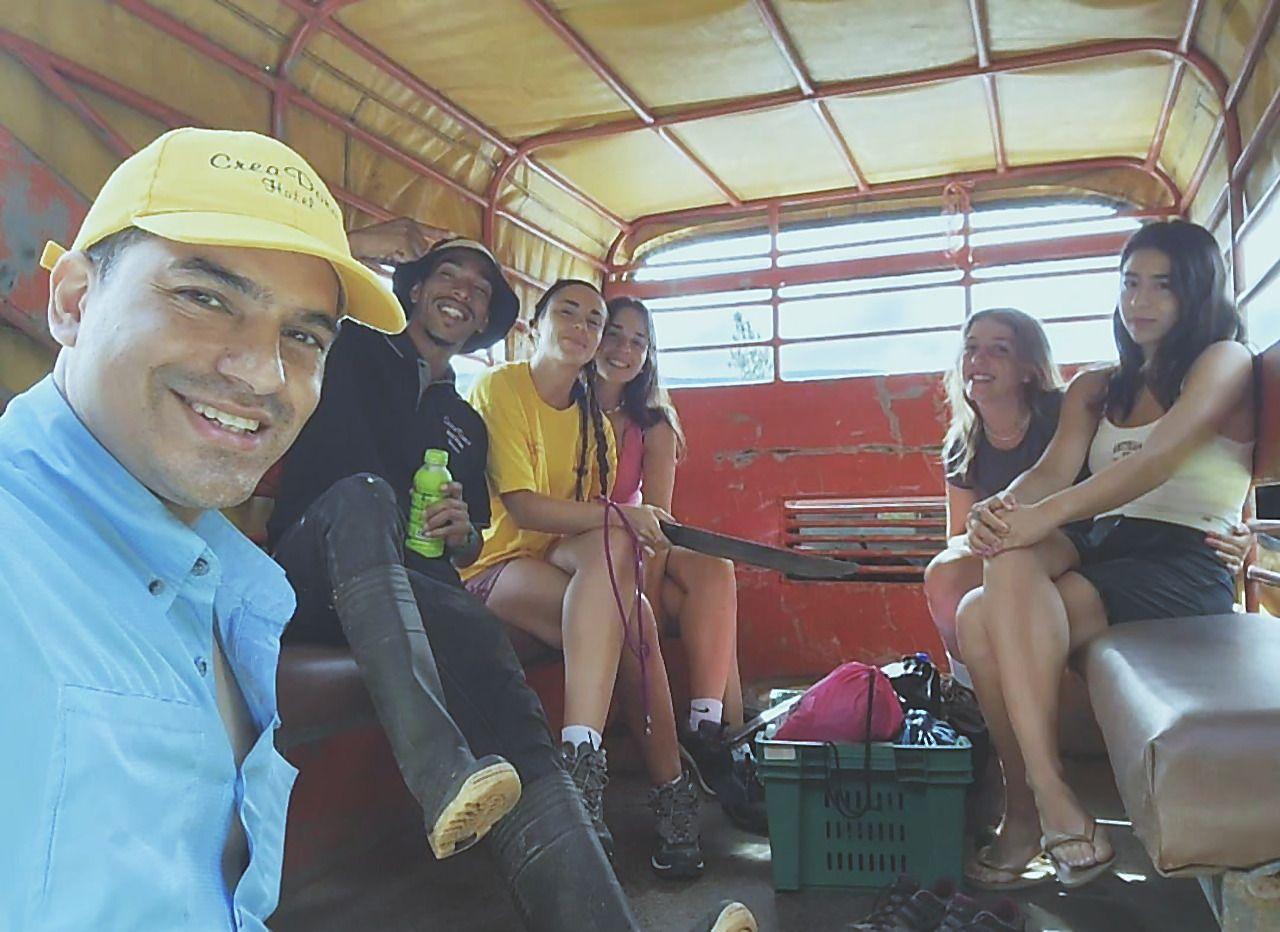
Finca CreaDora Adventure: Coffee, Wildlife & Cloud Forest Trails 4 hours Free Cancellation

Finca CreaDora Adventure: Coffee, Wildlife & Cloud Forest Trails

Morning agritourism experience combining animal encounters, coffee discovery, and cloud forest hiking

5 (1)
FromFrom €30.25
See details
Cloud Forest Hiking Adventure in Boquete 5 hours Free Cancellation

Cloud Forest Hiking Adventure in Boquete

Trek through lush rainforest trails to a stunning waterfall, discovering local flora and mountain villages

5 (18)
FromFrom €69.06
See details
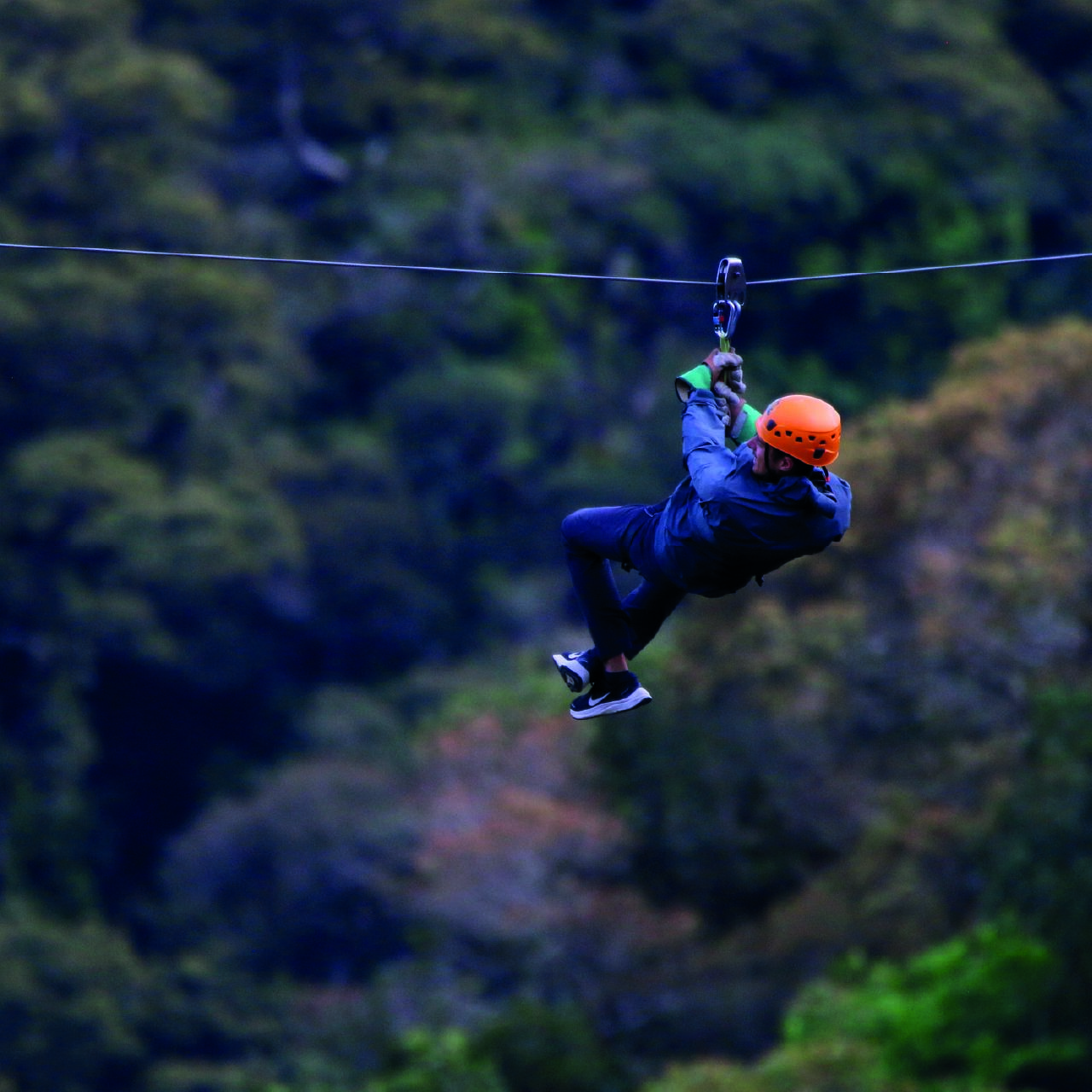
Boquete Canopy Zipline Adventure - 12 Lines 2 hours Free Cancellation

Boquete Canopy Zipline Adventure - 12 Lines

Soar through cloud forest canopy on the country's longest zipline course with volcano views

4.8 (40)
FromFrom €64.83
See details
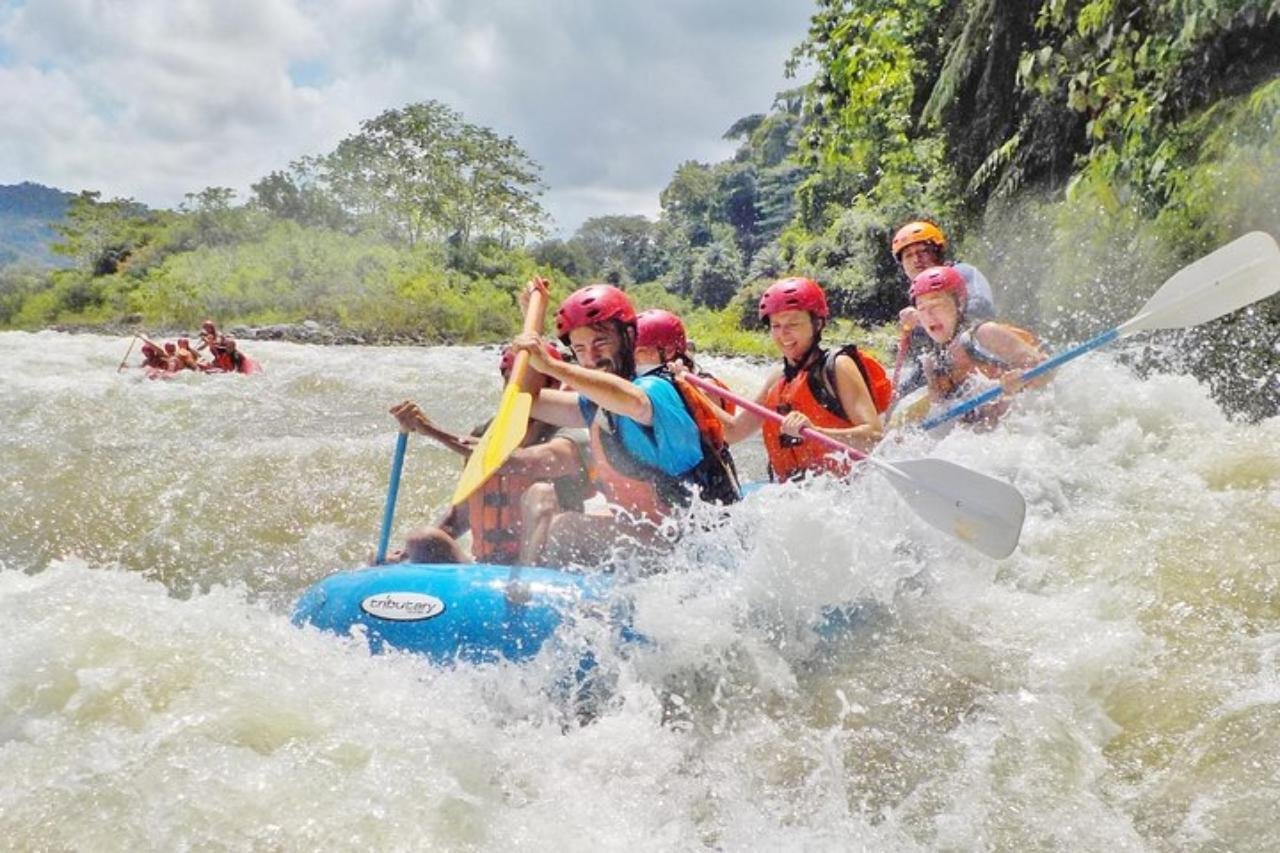
Chiriqui Viejo River Whitewater Rafting Adventure 7 hours Free Cancellation

Chiriqui Viejo River Whitewater Rafting Adventure

Navigate Class III rapids through lush jungle scenery on a guided full-day rafting expedition with lunch

4.9 (44)
FromFrom €56.18
See details
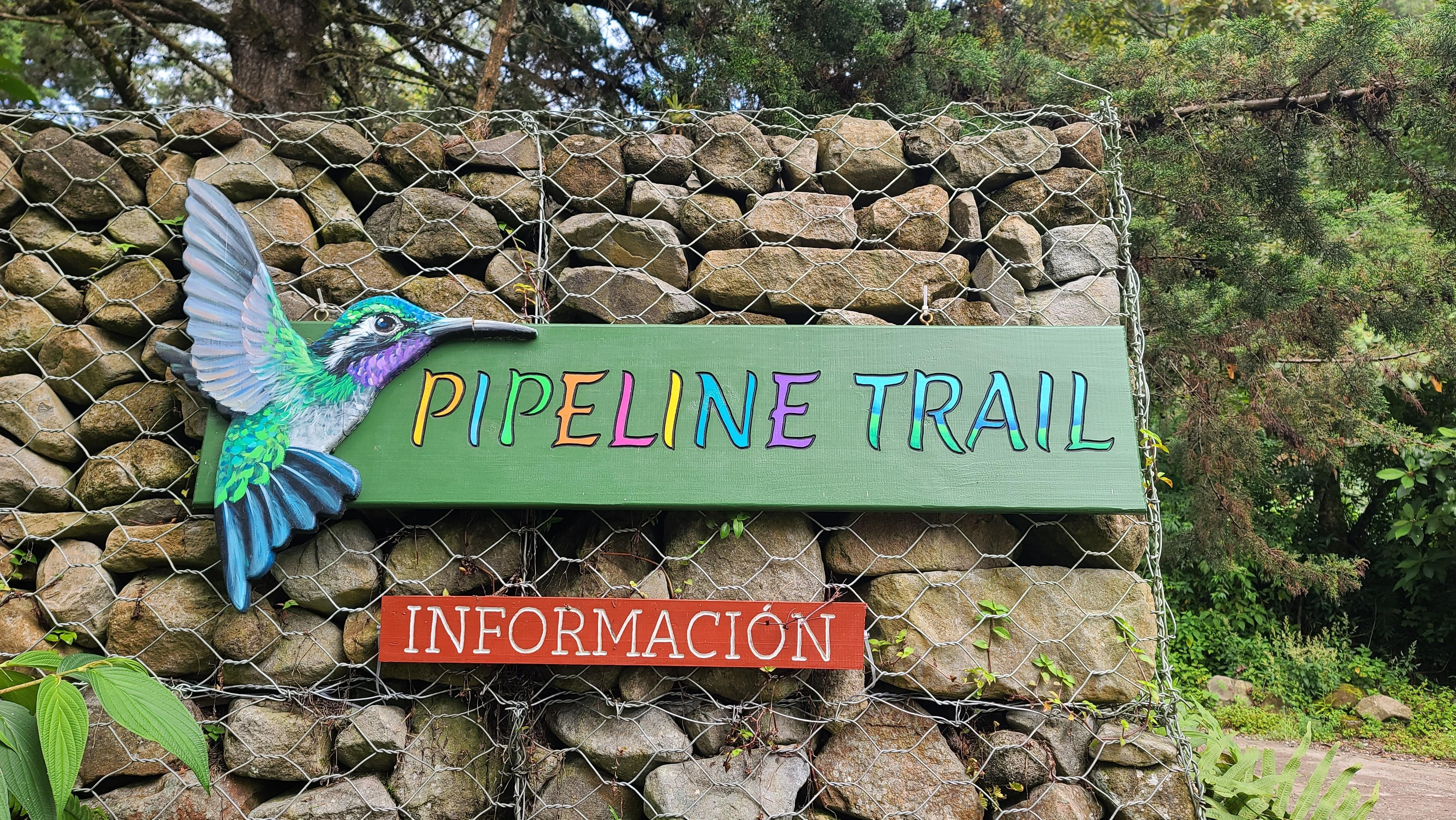
Pipeline Trail Cloud Forest Wildlife Adventure 4 hours Free Cancellation

Pipeline Trail Cloud Forest Wildlife Adventure

Trek through misty cloud forest terrain to discover rare birds, sloths, and monkeys on this guided nature walk

4.6 (32)
FromFrom €31.03
See details
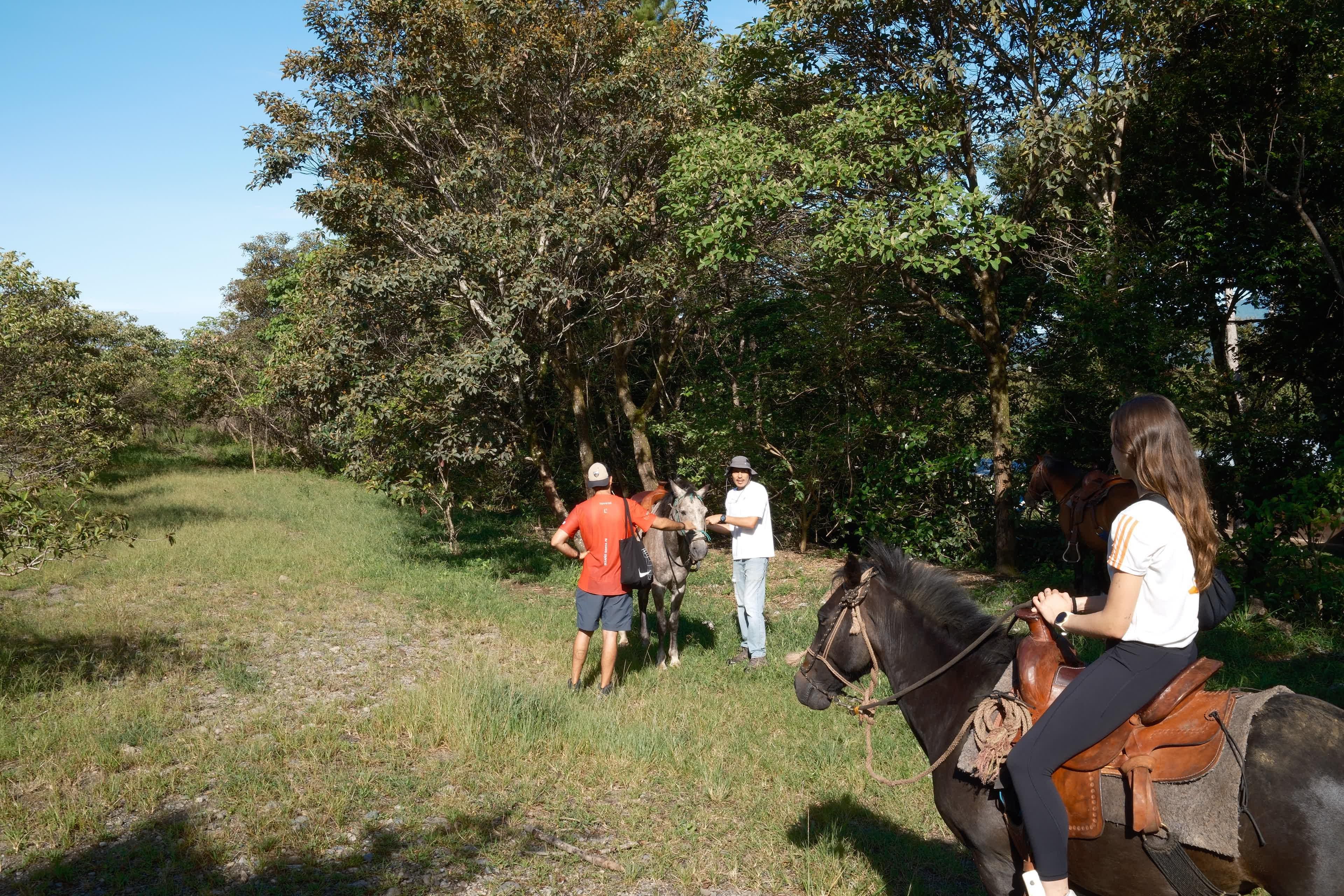
Boquete Cloud Forest Horseback Adventure 105 minutes Free Cancellation

Boquete Cloud Forest Horseback Adventure

Ride gentle horses through private mountain trails with volcano views and lush forest canopy

5 (7)
FromFrom €47.54
See details
The experience

What visiting Boquete Coffee Plantation is really like

You reach the finca gate in the 09:00–14:00 window, which lines up with the standard morning and afternoon departures, and the air already smells of wet leaf and fermenting cherry. A guide hands you a basket and points uphill.

Read more Show less

You climb between shade trees, learning to strip only the deep-red cherries and leave the green ones for the next pass. Ten minutes in, your basket is embarrassingly light.

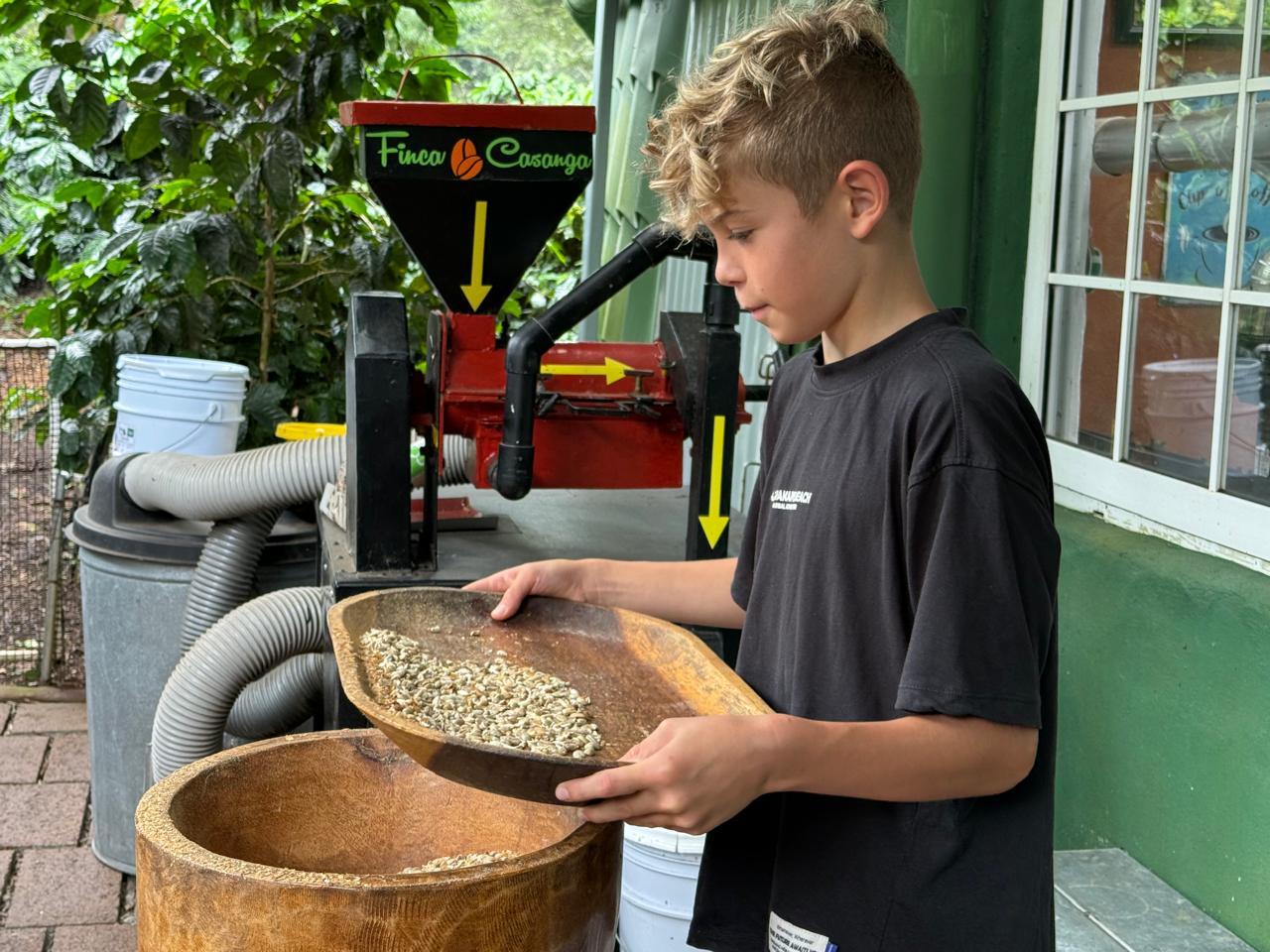
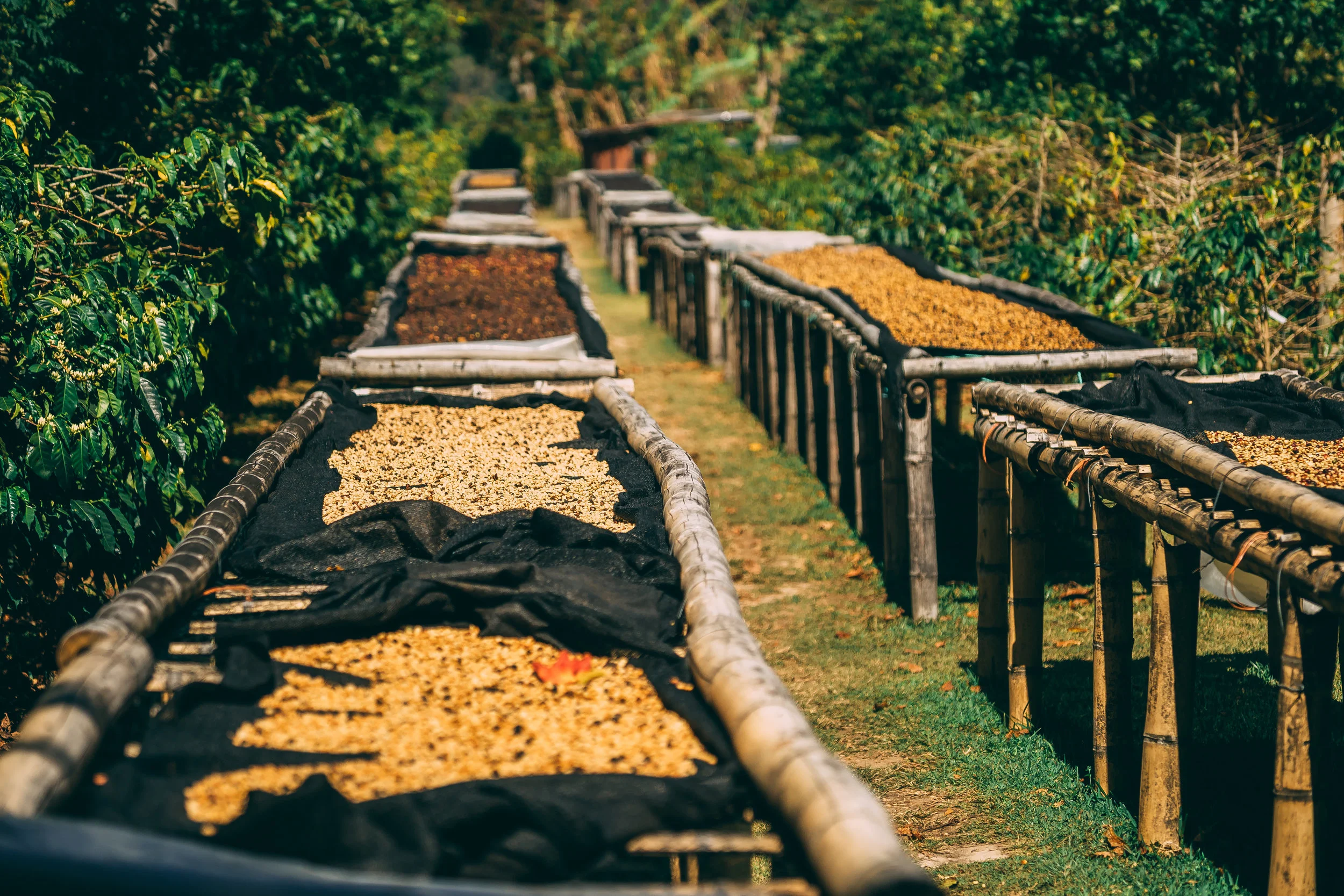
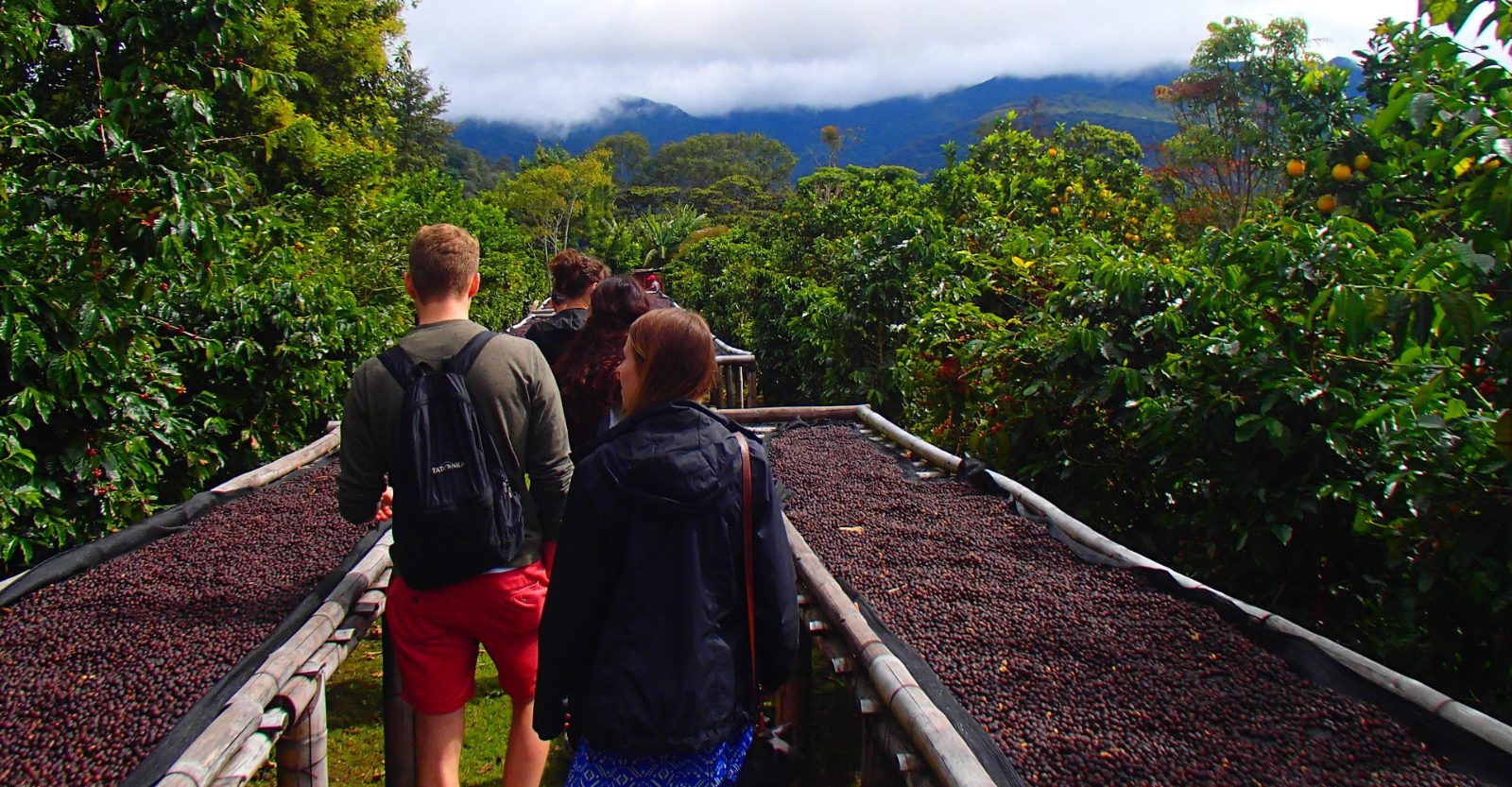
You follow the fruit downhill. At the depulper you watch skin separate from seed, then look into the fermentation tanks where the mucilage breaks down over twelve to thirty-six hours. On the drying patio you drag a wooden rake through parchment still warm from the sun. Inside the mill, hulling machinery strips the husk and a colour sorter throws out defects at a speed you cannot track by eye.

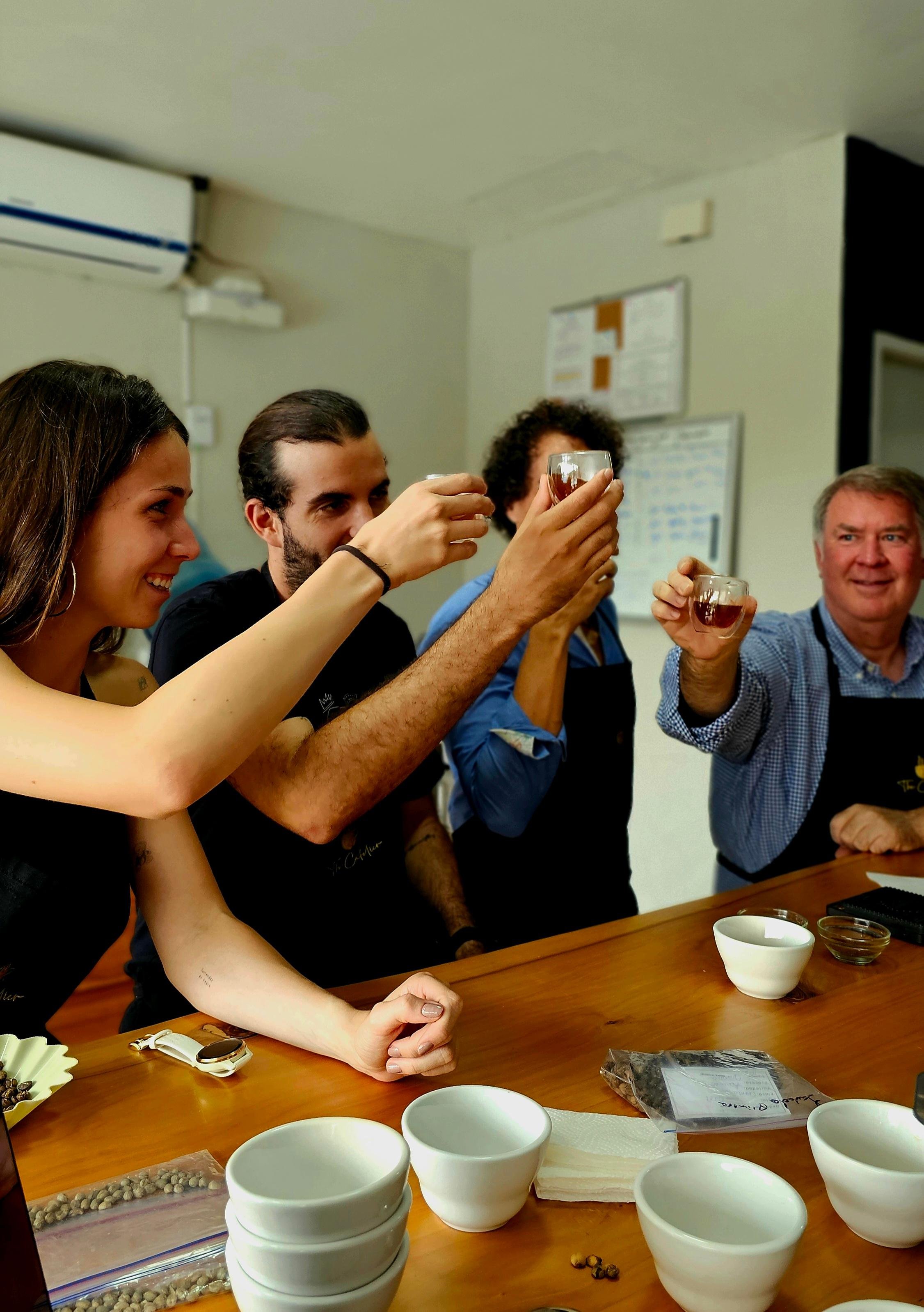
Then the roasting drum, five to twelve minutes, and the crack you hear before you see anything change. The boquete coffee plantation tour ends at the cupping table: four to six cups, a broken crust, a wide spoon, a loud slurp you are encouraged not to apologise for. Geisha comes last. You taste it against a washed Caturra and finally understand why the estate keeps that particular hillside fenced. Standard entry is 35 USD per person; the plantation gates run 08:00–17:00 daily.

Boquete Coffee Plantation Tour
Everything You Need to Know

Your complete Boquete Coffee Plantation guide

All the details about your upcoming adventure in one place

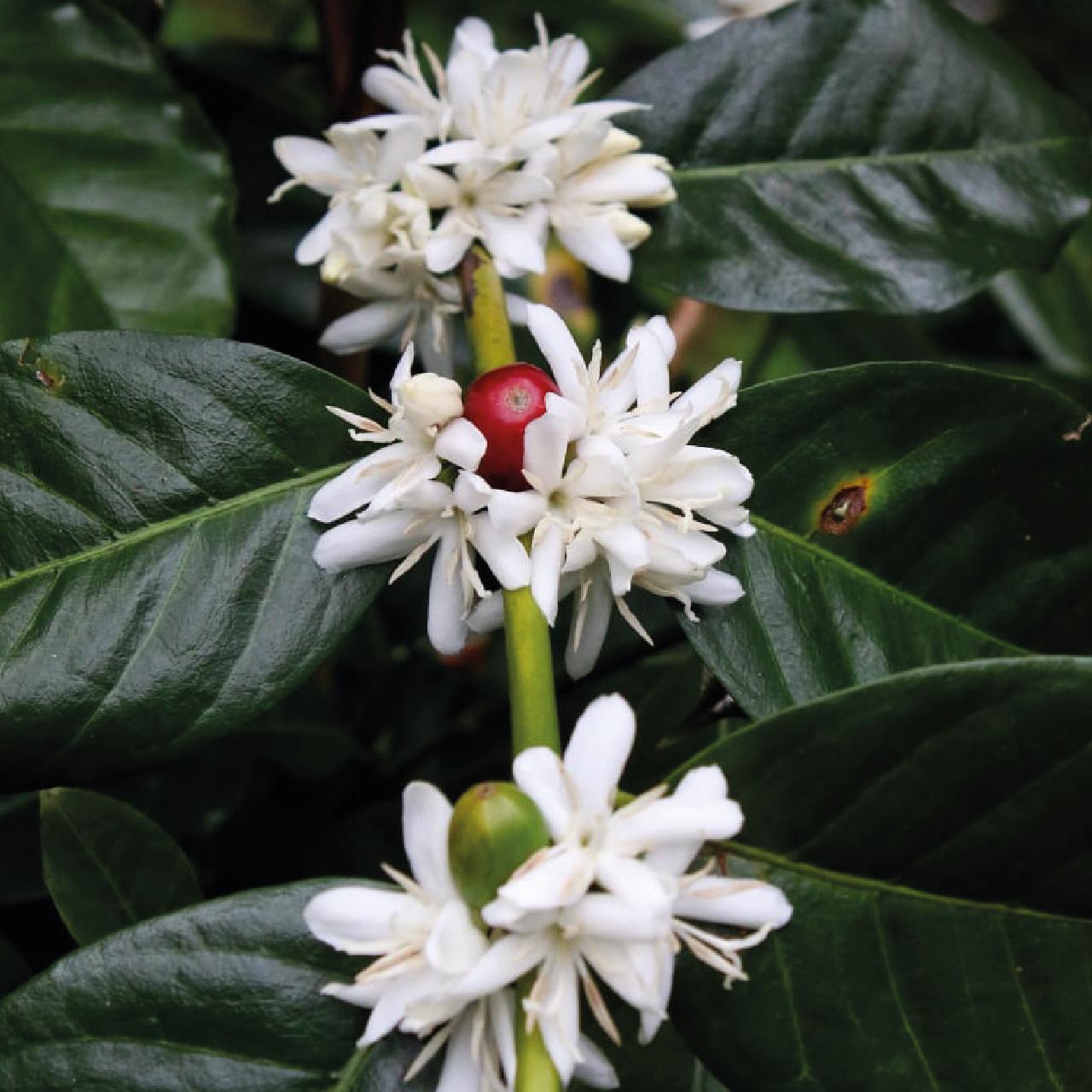
Panama's Geisha varietal, now the most expensive coffee sold at auction anywhere on earth, was for decades treated as an ornamental shrub and left at the edges of Boquete's farms because it yielded too little to bother harvesting.

The seed arrived by an unhurried route. Collected in the Gori Gori forest of southwestern Ethiopia in the 1930s, it travelled through Kenya, Tanzania and Costa Rica's research station at Turrialba before reaching Chiriquí in the 1960s as a leaf-rust hedge. Farmers planted it, watched the thin branches produce sparingly, and mostly ignored it. Only in 2004, when a single Boquete estate isolated a high-altitude lot and entered it in the Best of Panama competition, did the cup reveal jasmine, bergamot and stone fruit that judges struggled to place. Prices broke records that year and have broken them repeatedly since. A booked boquete coffee plantation tour today walks ground that was, within living memory, considered marginal.

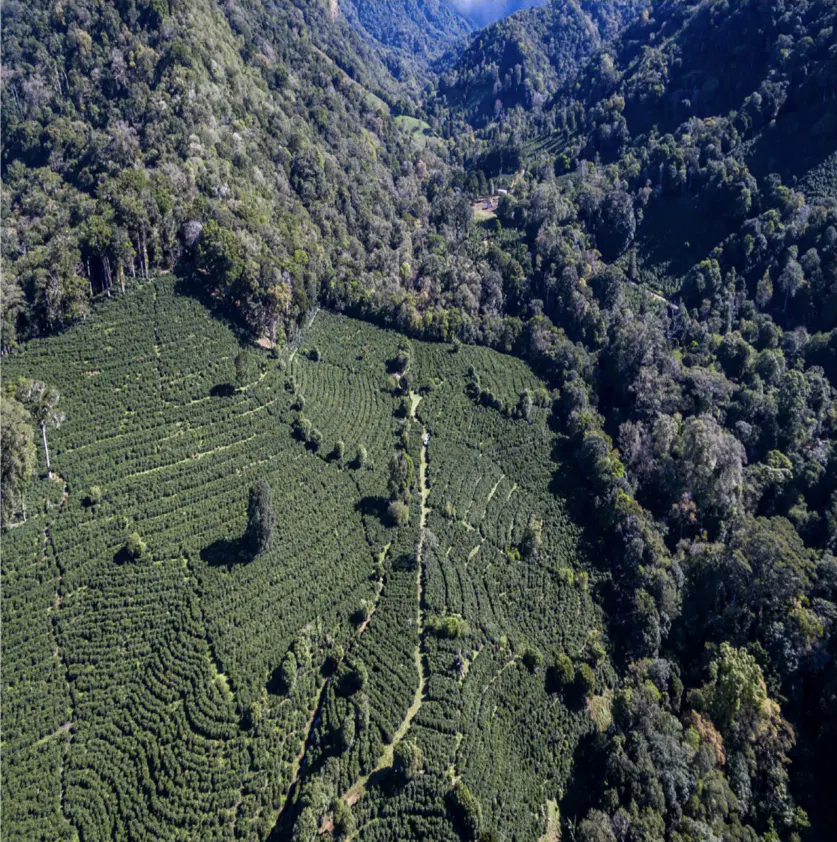
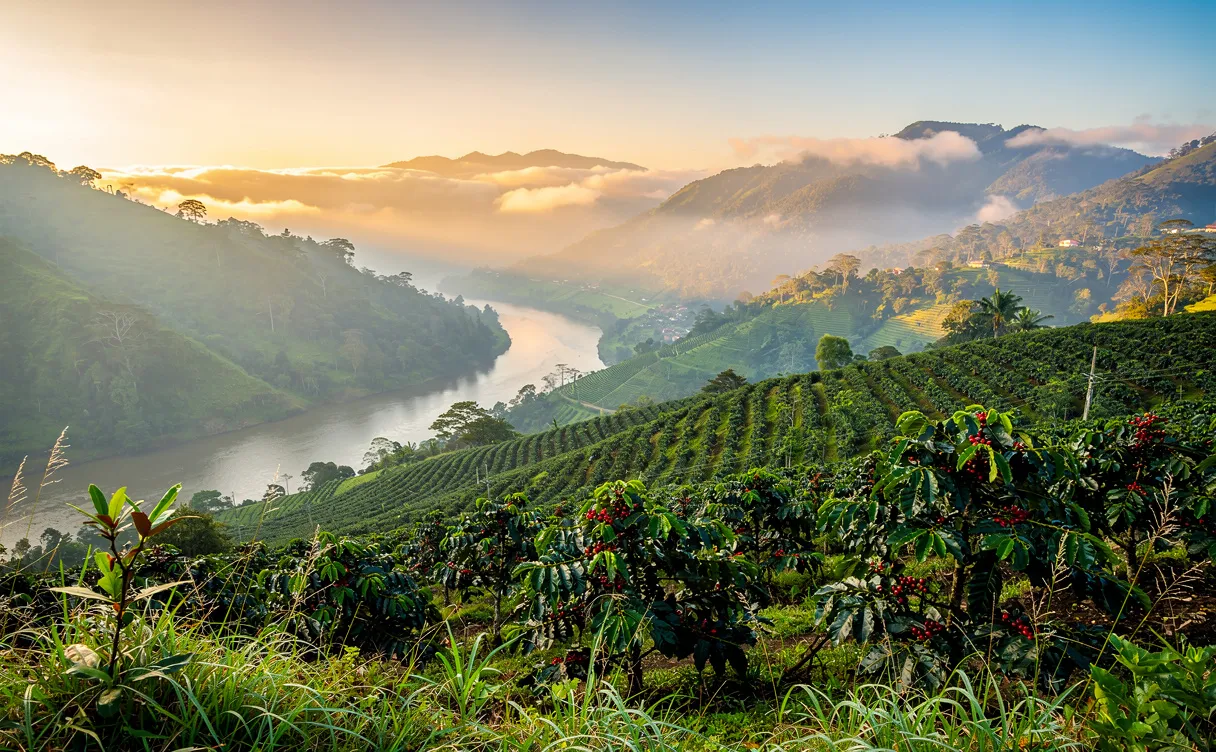
Geography explains the rest. Boquete sits in a caldera on the southern flank of Volcán Barú, Panama's highest point at 3,475 metres. Volcanic soils drain freely and hold minerals. The bajareque — a fine wind-driven mist that crosses the valley from the Caribbean side and often arcs into afternoon rainbows — cools the fruit and slows maturation, concentrating sugars in the cherry. Elevations on working fincas run roughly 1,200 to 1,800 metres. Shade canopies of guava and banana shelter the rows, and the same trees draw migrating songbirds, which is why ornithologists and cuppers frequently share the same trail.

The estates themselves are historical objects. Many were founded between 1890 and 1920 by European settlers who followed the Panama Canal works inland; their wet mills, drying patios and hand-cranked depulpers remain in seasonal use beside modern raised African beds. Guided coffee farm tours in Boquete typically move through this full chain — nursery, planting rows, harvest, fermentation tank, patio, mechanical drying, hulling, roasting drum, cupping table — because the varietal's reputation rests as much on post-harvest processing as on terroir. Washed, natural and honey lots from identical trees can taste like different species entirely.

Harvest runs from roughly December through March, when Ngäbe-Buglé pickers arrive from the comarca and the valley's population swells. Outside those months the plantation tour turns toward milling, roast profiling and sensory work at the tasting bench. A boquete coffee plantation tour tour remains, in either season, a working visit to a functioning agricultural landscape rather than a museum of one.


Washed, natural and honey lots from identical trees can taste like different species entirely.

Dress code

Wear comfortable walking shoes suitable for uneven terrain. A light rain jacket is recommended for variable weather conditions.

Bags & security

Small daypacks are permitted on the premises. Large luggage items should be left at your accommodation.

Photography

Photography is encouraged throughout the farm. Please remain on marked trails while capturing images.

Families & strollers

The boquete coffee plantation tour is suitable for older children. Parents should supervise minors at all times near processing machinery.

Accessibility

Paths consist of natural soil and gravel, which may be challenging for those with limited mobility. Please contact staff to discuss specific requirements.

Food & drink

Outside food is not permitted in the processing area. Tasting samples provided as part of the boquete coffee plantation tour are the only authorized consumption.

Not allowed

× Drones × Tripods × Alcohol × Tobacco products × Open-toed sandals × Weapons × Large suitcases × Excessive noise equipment

What to bring

✓ Sunscreen ✓ Water bottle ✓ Hat ✓ Comfortable shoes ✓ Camera ✓ Light jacket

Opening hours

Mon 08:00–17:00
Tue 08:00–17:00
Wed 08:00–17:00
Thu 08:00–17:00
Fri 08:00–17:00
Sat 08:00–17:00
Sun 08:00–17:00

How to get there

Closures & exceptions

  • ·Jan 1 — New Year's Day
  • ·Nov 3 — Independence Day

At a glance

Opening Hours

08:00–17:00

Address

Boquete, Chiriquí, Panama

Facility Access

Guided paths available

Optimal Arrival

09:00–14:00

Storage

Limited space available

Navigation

Local taxi service recommended

Getting there

Taxi · 15 min · 5–10 USD

The most direct way to reach the boquete coffee plantation tour is via local taxi from Boquete town center.

Car · 20 min · Free parking

Follow main road signs towards the highlands. Parking is available at the entrance.

Cancellation policy

Full refunds are available for cancellations made at least 24 hours in advance. No-shows or late cancellations forfeit the 35 USD entrance fee.

Plan your time

Timing Your Boquete Coffee Plantation Tour for Best Results

Recommended time

3 hours

A typical boquete coffee plantation tour involves a guided walk through the farm followed by a professional cupping session. We recommend arriving within the 09:00–14:00 window to ensure smooth movement through the lush landscape and minimal wait times for scheduled departures. While you might secure boquete coffee plantation tour tickets at the door, booking in advance helps avoid friction as groups assemble for the morning sessions. Those interested in the boquete coffee plantation tour tours should allocate additional time if they wish to linger in the gardens or browse the gift shop.

Crowd levels through the day

09:00 Moderate
10:30 Peak
12:00 Moderate
13:30 Light
Plan ahead

Best time to visit Boquete Coffee Plantation

Weather · crowds · average price — dots go green to amber to red as each metric rises.

Spring

Mild temperatures make for comfortable walking during the boquete coffee plantation tour. Flowers are in bloom across the Chiriquí province.

Summer

Expect afternoon showers as part of the rainy season. This timing often aligns with the harvest growth cycle.

Autumn

The harvest season begins, offering a behind-the-scenes look at the boquete coffee plantation tour operations.

Winter

Dry weather provides the clearest views of the surrounding mountains. This is the peak time for tourist visits.

Insider tips

Helpful tips for visiting Boquete Coffee Plantation

Hydration

Drink plenty of water to adjust to the elevation during your visit. This is essential for participating in the boquete coffee plantation tour.

Sun Protection

Even on cloudy days, the high-altitude sun is strong. Apply sunscreen before you start your boquete coffee plantation tour.

Footwear

Skip the flip-flops and wear sturdy sneakers. Paths on a boquete coffee plantation tour can be muddy or uneven.

Booking

Secure your boquete coffee plantation tour tickets online in advance to guarantee your preferred time slot.

Engagement

Ask your guide about the drying process. It is a highlight of the boquete coffee plantation tour process.

Timing

Aim to finish your boquete coffee plantation tour by early afternoon to enjoy the rest of your day in town.

Where to meet

Boquete Coffee Plantation meeting points

Farm Entrance

Boquete, Chiriquí, Panama

Main gate signage visible from road

Get directions
The story

The history of Boquete Coffee Plantation

Coffee reached the highlands of Chiriquí late. Boquete itself was formalised as a district on 11 April 1911, decades after Arabica had taken root in the volcanic soil below Volcán Barú. European settlers — Swedish, German, Yugoslav and North American families arriving through the 1890s and 1900s — planted Typica and Bourbon on slopes between roughly 1,000 and 1,900 metres. The mineral-rich andisol soil, the cool bajareque mist drifting off the Caldera River valley, and slow cherry maturation gave the region its early reputation. A boquete coffee plantation tour today follows terraces first cut in that period. The defining rupture came in 2004. Hacienda La Esmeralda, farmed by the Peterson family since 1967, entered an isolated Geisha varietal — brought from Ethiopia via Costa Rica's CATIE in the 1960s and long dismissed as low-yielding — into the Best of Panama competition. It won. At the 2004 auction the lot sold for 21 USD per pound, then an unprecedented figure. Subsequent Best of Panama auctions climbed past 1,000 USD per pound. Boquete shifted from commodity supplier to specialty benchmark, and boquete coffee plantation tour tours emerged as a consequence of that fame rather than a cause of it. Disaster and disease shaped the intervening years. Coffee leaf rust, or roya, swept Central America in 2012 and 2013, forcing widespread replanting with resistant hybrids. Landslides and flooding after Hurricane Otto in 2016 damaged access roads through Palo Alto and Jaramillo. Farms adapted: shade-grown canopy, wet mills, raised drying beds, and natural and honey processing became standard demonstrations on any Boquete coffee tour. What survives is working agriculture, not reconstruction. Original beneficios still operate. Century-old Typica trees remain in production. Guides walk visitors from seedling nursery to cupping table, and boquete coffee plantation tour tickets are booked from the options listed alongside this page.

1890s–1900s

European and North American settler families plant Typica and Bourbon Arabica on the slopes below Volcán Barú.

1911

Boquete is formally established as a district of Chiriquí province on 11 April.

1960s

Geisha seed from Ethiopia arrives in Panama by way of CATIE in Costa Rica and is planted largely as windbreak.

1967

The Peterson family acquires Hacienda La Esmeralda, later the farm that isolates the Geisha lot.

1996

The Specialty Coffee Association of Panama holds the first Best of Panama competition, creating a national quality benchmark.

2004

Hacienda La Esmeralda's Geisha wins Best of Panama and auctions at 21 USD per pound, redirecting the region toward specialty production.

2012–2013

Coffee leaf rust spreads through Central America, forcing Boquete growers to replant with resistant varietals.

2016

Flooding and landslides following Hurricane Otto damage access roads through the Jaramillo and Palo Alto growing zones.

Photo spots

Named Photo Spots on Your Boquete Coffee Plantation Tour

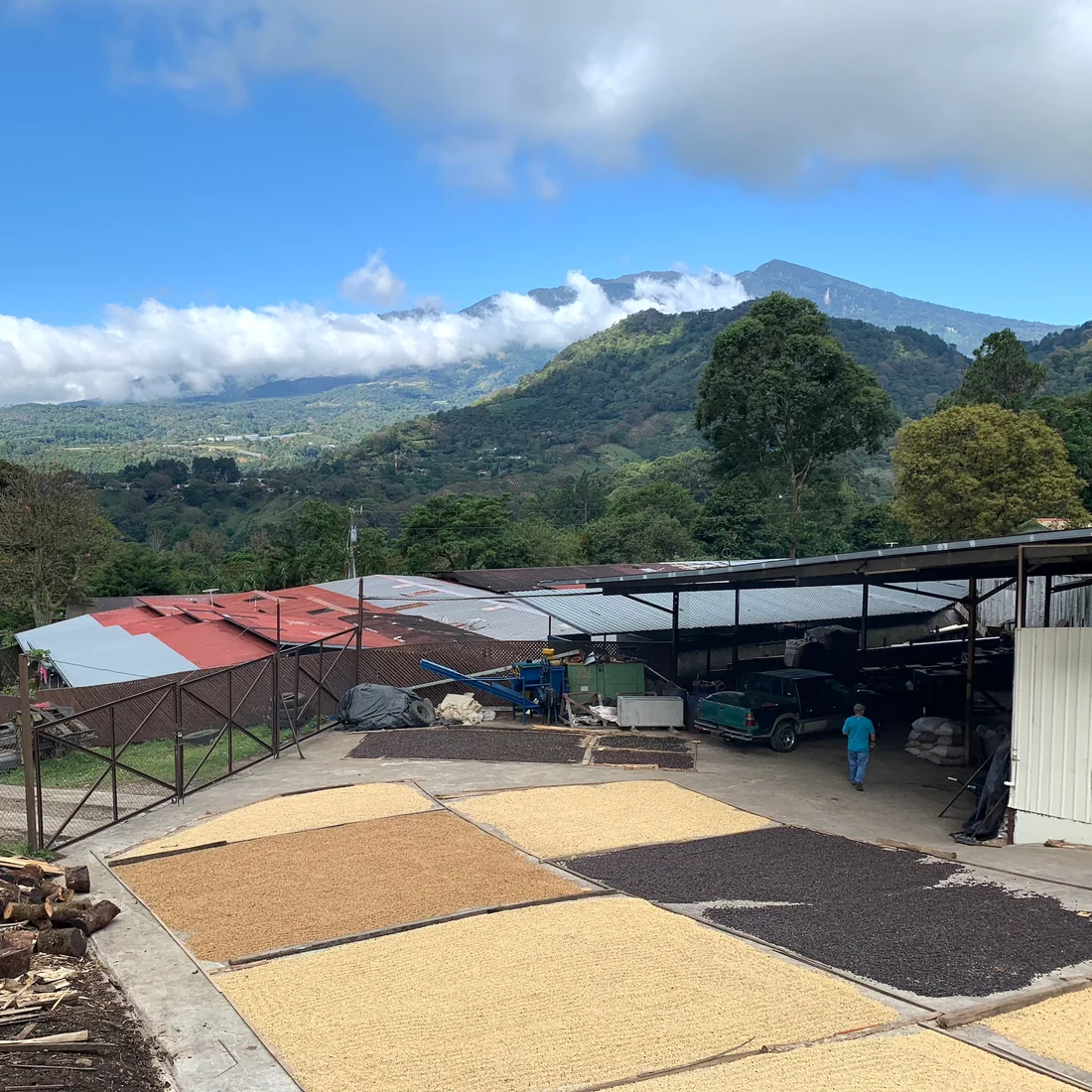
Drying Patios

Drying Patios

Best light · Before 12:00

Stand at the edge of these expansive concrete platforms where coffee cherries are laid out under the sun to capture the scale of the harvest. You will find the best geometry here by using the lines of the beans leading toward the mountain backdrop.

Processing Station Corridor

Processing Station Corridor

Best light · Mid-morning

This industrial space features vintage machinery and metal chutes that offer a sharp contrast to the lush greenery outside. Position your camera at a low angle to emphasize the texture of the old wood and rusted iron equipment.

Cloud Forest Lookout

Cloud Forest Lookout

Best light · Golden hour

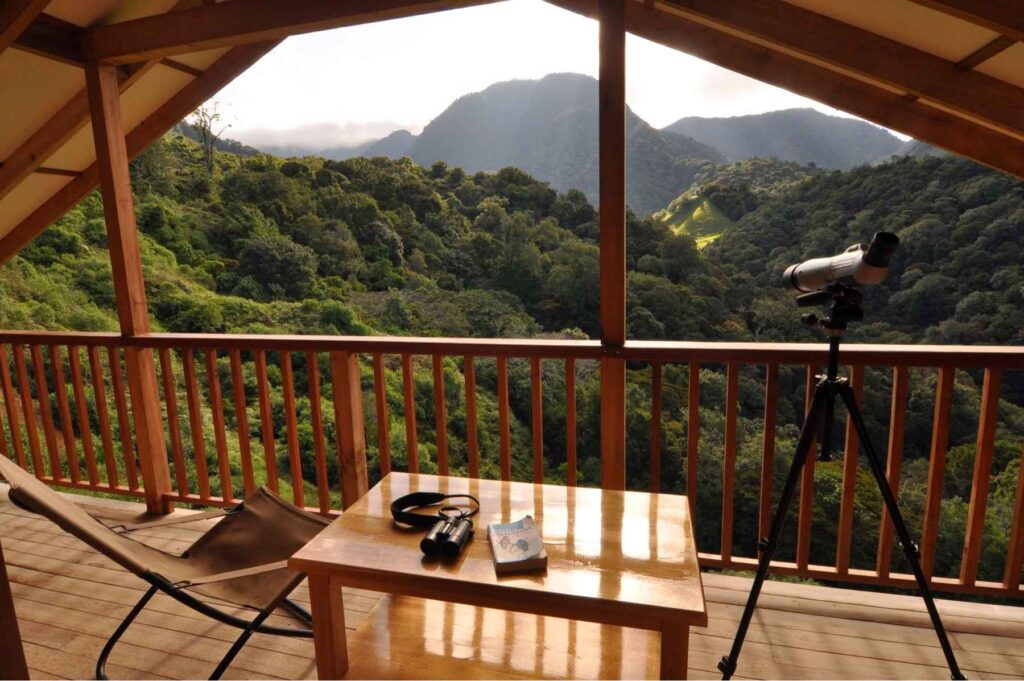
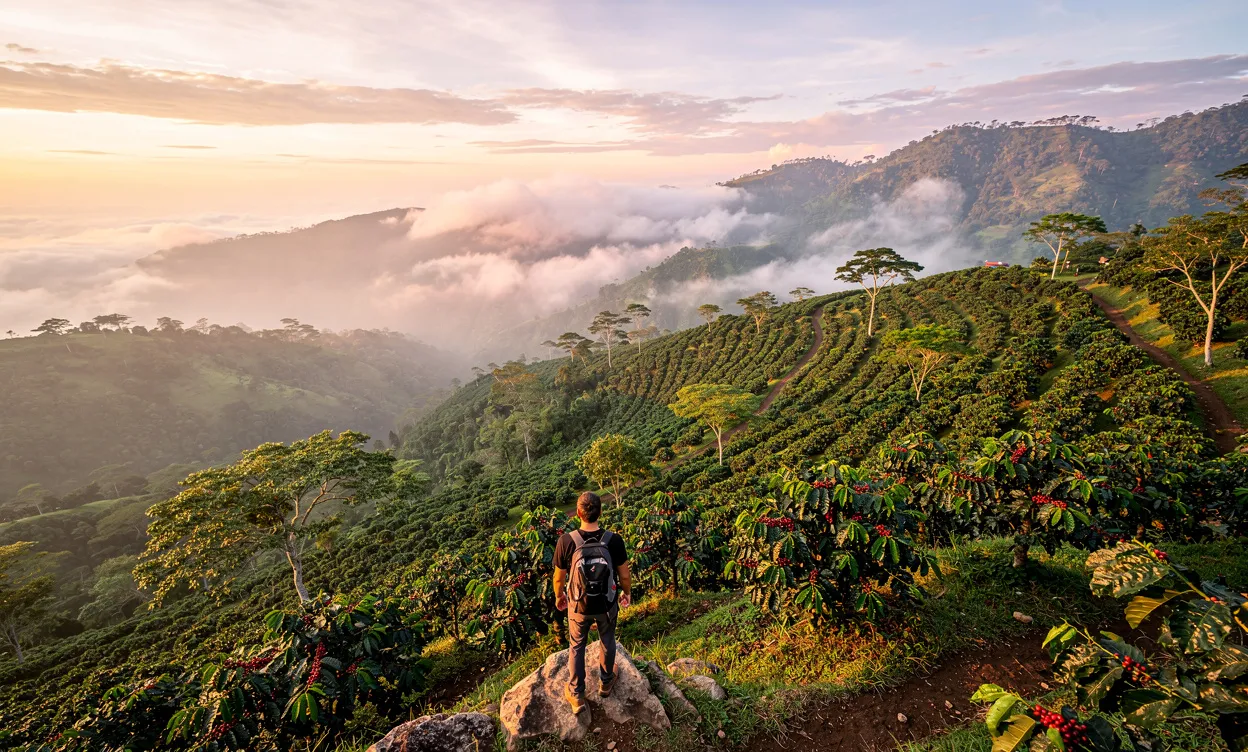
Located at the highest point of the estate, this vantage point provides a wide perspective of the canopy and the surrounding volcanic terrain. This is the ideal place to document your boquete coffee plantation tour during a clear day when the summit of Volcán Barú is visible.

Farm Access Path

Farm Access Path

Best light · After 14:00

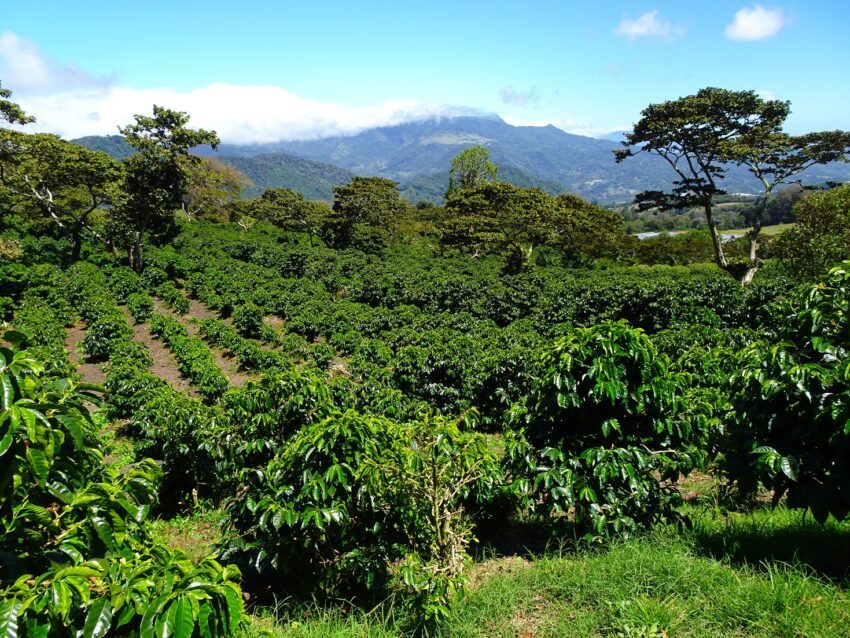
Follow the winding dirt tracks lined with Arabica bushes to frame shots of the coffee cherries hanging from the branches. These trails provide a natural leading line that draws the eye deep into the verdant plantation landscape.

Gallery

Moments from Boquete Coffee Plantation

With kids

Visiting Boquete Coffee Plantation with kids

Exploring a boquete coffee plantation tour provides families with an educational look at how coffee beans are harvested and processed in the highlands. Parents should anticipate walking through uneven terrain while learning about the regional agriculture.

Strollers

Due to the natural landscape and uneven paths between coffee trees, strollers are not practical for this activity. We recommend using a sturdy baby carrier to navigate the plantation grounds safely

Best ages

This experience is most engaging for children ages six and up who can manage the walking required during these boquete coffee plantation tour tours. Younger children may lose interest, so plan accordingly to ensure a smooth visit

Facilities

There are no specialized baby-change stations on-site, so please arrive prepared with your own supplies. Restrooms are available, but they may be basic compared to urban standards

Pacing

The boquete coffee plantation tour tour is informative but requires a steady walking pace over several hours. Bringing water and small snacks is advisable for children who need frequent breaks during the walk

Rainy-day plan

Panama’s weather can change quickly, and heavy rain may affect trail conditions. Checking local forecasts before securing your boquete coffee plantation tour tickets will help you prepare the right gear for the group

Food & drink

Where to Eat Near Your Boquete Coffee Plantation Tour

Finding a meal near your boquete coffee plantation tour is simple, as the estate itself offers a perfect setting to enjoy local beans. For a wider selection, the vibrant center of Boquete is a short journey away, offering diverse dining options for those with boquete coffee plantation tour tickets.

Kotowa Coffee House

$5-15

Café onsite

Located directly at the farm, this spot is ideal for a fresh brew and light pastries after your experience. It is the most convenient place to refuel before starting your boquete coffee plantation tour tours.

FAQ

Boquete Coffee Plantation — frequently asked questions

Everything you need to know for your journey

Around the corner

More to see near Boquete Coffee Plantation

Sendero Los Quetzales

15 min

landmark

A scenic trail known for bird watching and cloud forest flora.

Where to stay

Where to stay near Boquete Coffee Plantation

The Inn at Boquete

10 min

luxury

High-end lodging with mountain views.

Ready for Adventure?

Join thousands of happy travelers who have discovered this incredible experience

Book Your Experience Now