2 hr 45 min
Hands-On Coffee Workshop with Geisha Tasting in Boquete
- Entry ticket
- Mobile voucher
- Valid same day
- Free cancellation
Boquete Coffee Tours — Guided Finca Visits & Cupping Sessions
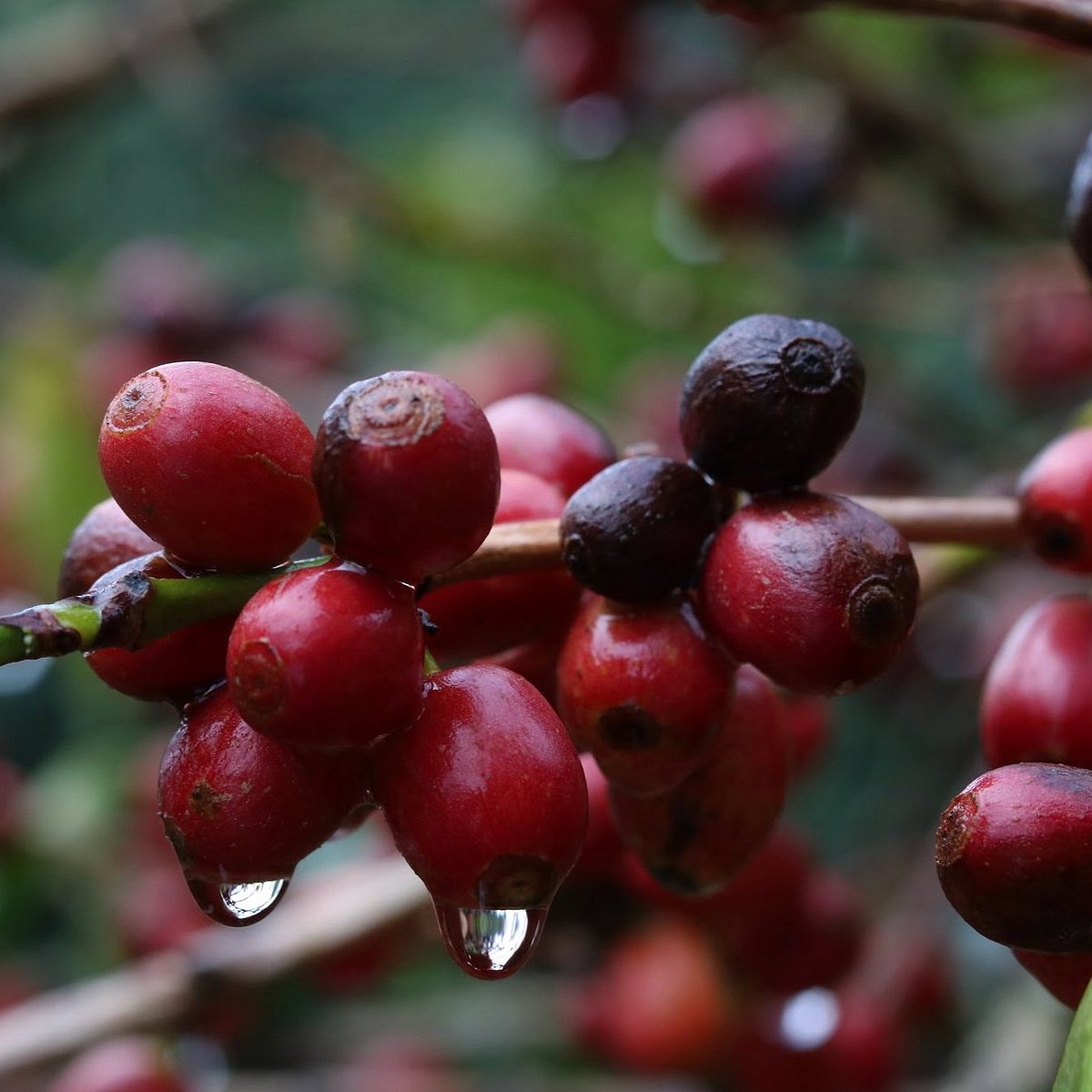
Volcanic soil beneath the rows, Geisha cherries above the cloud line.
Compare fares, pick the fit — all bookings are mobile-voucher and eligible for free cancellation where shown.
2 hr 45 min
3 hr
3 hr
| Experience | Duration | Rating | Guide | Small group | Free cancel. | Price | |
|---|---|---|---|---|---|---|---|
|
Standard Entry
Most popular
Hands-On Coffee Workshop with Geisha Tasting in Boquete
|
2 hr 45 min | ★ 5.0 | — | ✓ | ✓ | €43 | Book → |
|
Luxury / Private
Private Specialty Coffee Tour in Boquete
|
3 hr | ★ 4.9 | ✓ | — | ✓ | €150 | Book → |
|
Standard Entry
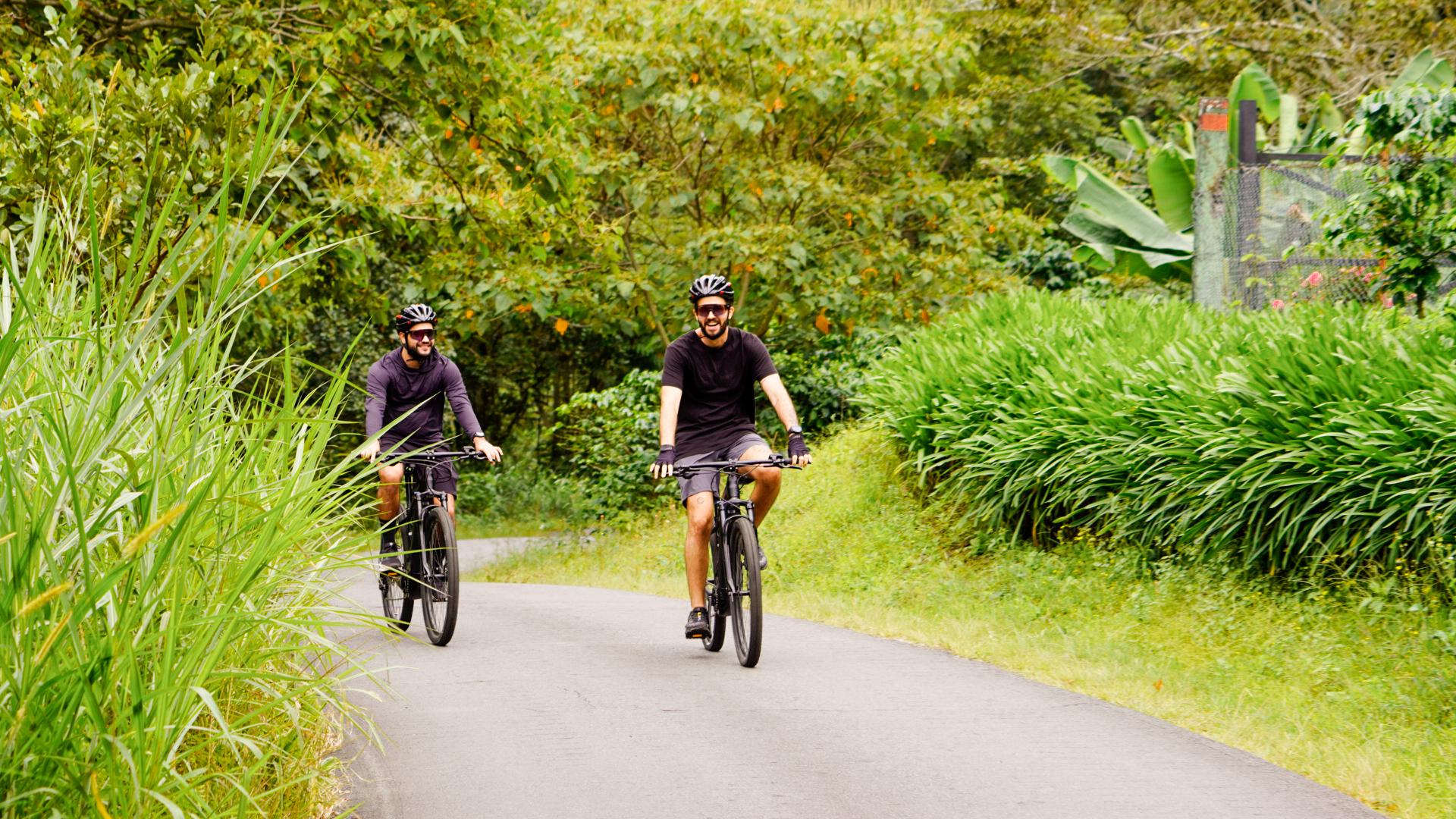
Electric Bike Coffee Farm Experience in Boquete
|
3 hr | ★ 4.9 | ✓ | — | ✓ | €73 | Book → |
Worth it for curious drinkers, skippable for casual sippers
At 25 USD per person, boquete coffee tours sit at the fair end of Panama's agritourism pricing, and the value hinges on access rather than souvenirs. The fee buys guided entry to working plantations on the Volcán Barú slopes — the seedling nursery, the shade-grown rows, the wet mill and drying patios, the roasting room — areas closed to anyone who simply walks in off Avenida Central. A recorrido de café tour also includes cupping at the end, where you taste the difference between a washed caturra and a natural Geisha side by side, with a guide explaining altitude, microclimate and processing as you go. That combination pays off for anyone who actually drinks coffee daily and wants to understand why Boquete beans command their prices. It pays off less for travellers who want a quick photo stop, and boquete coffee tours tickets are poor value if tasting notes bore you.
Bottom line: Pay the 25 USD for a Boquete coffee plantation tour if you care where your cup comes from — the mill access and cupping justify it, and boquete coffee tours tours deliver little for anyone who doesn't.
Boquete coffee tours provide a focused, artisanal insight into local production, whereas the rival plantation model prioritizes expansive infrastructure and mechanized processing observation. Choosing between them depends on whether a traveler prefers intimate agricultural engagement or a comprehensive look at industrial-scale estate operations.
|
Top pick |
Boquete Tree Trek | |
|---|---|---|
| Experience intimacy | High individual interaction | Group-focused dynamics |
| Technical depth | Focus on heirloom methods | Emphasis on mass production technology |
| Walking intensity | Moderate uneven terrain | High physical engagement with trails |
| Scale of operations | Boutique family farm | Large estate commercial plantation |
| Booking flexibility | Standard scheduling | Advance reservation highly recommended |
| See tickets & prices |
Hand-picked experiences loved by thousands of travelers
1 hour
Free Cancellation
Explore Panama's renowned coffee culture through a professional tasting of three premium regional varieties
2 hours
Free Cancellation
Discover the art of specialty coffee through a guided tasting of nine award-winning varieties at a high-altitude plantation in Boquete.
4 hours
Free Cancellation
Morning agritourism experience combining coffee tasting, animal encounters, and scenic trails through volcanic landscape
7 hours
Free Cancellation
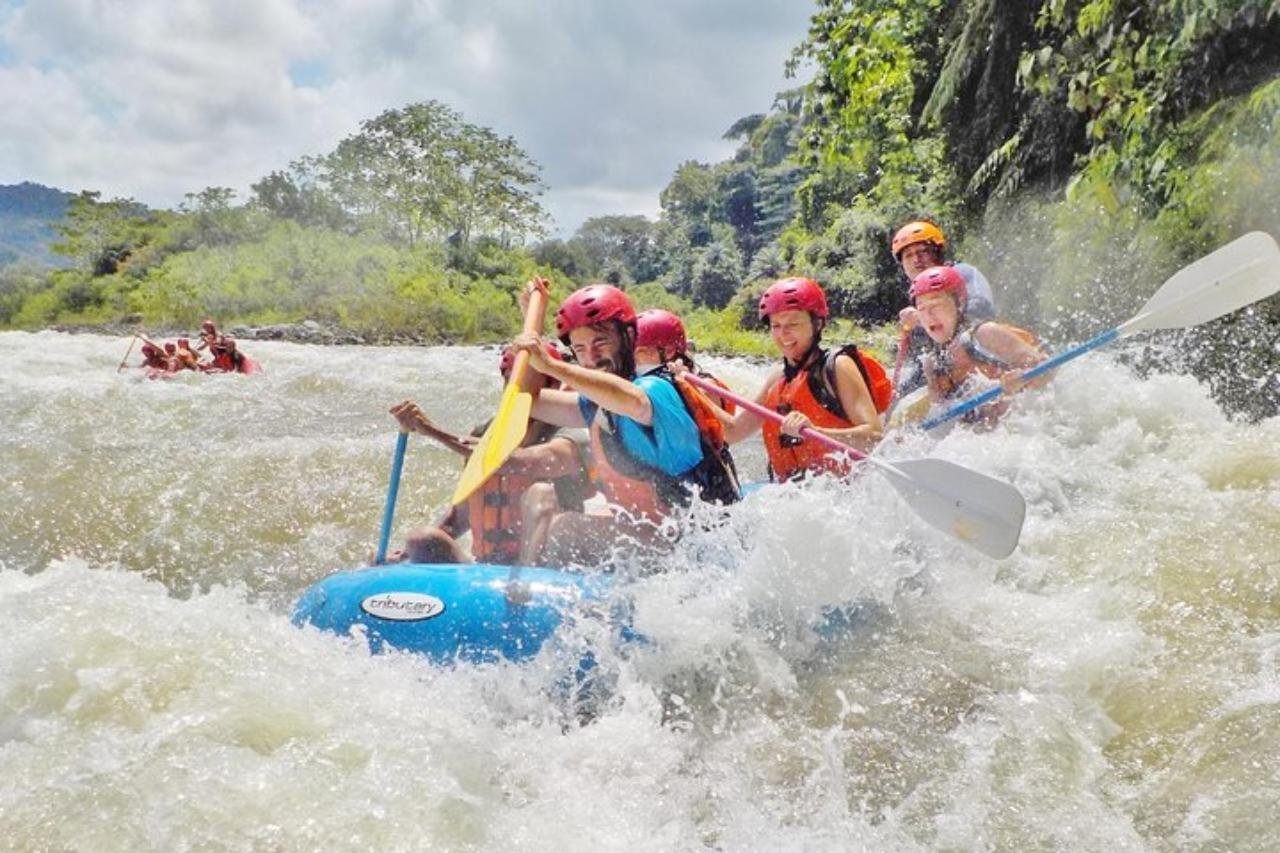
Navigate exciting Class III whitewater through lush jungle scenery with expert guides and a riverside lunch
5 hours
Free Cancellation
Trek through misty mountain forests to a spectacular waterfall, exploring local agriculture and wildlife
4 hours
Free Cancellation
Venture into Boquete's misty cloud forest on a guided nature walk to spot rare birds and wildlife
105 minutes
Free Cancellation
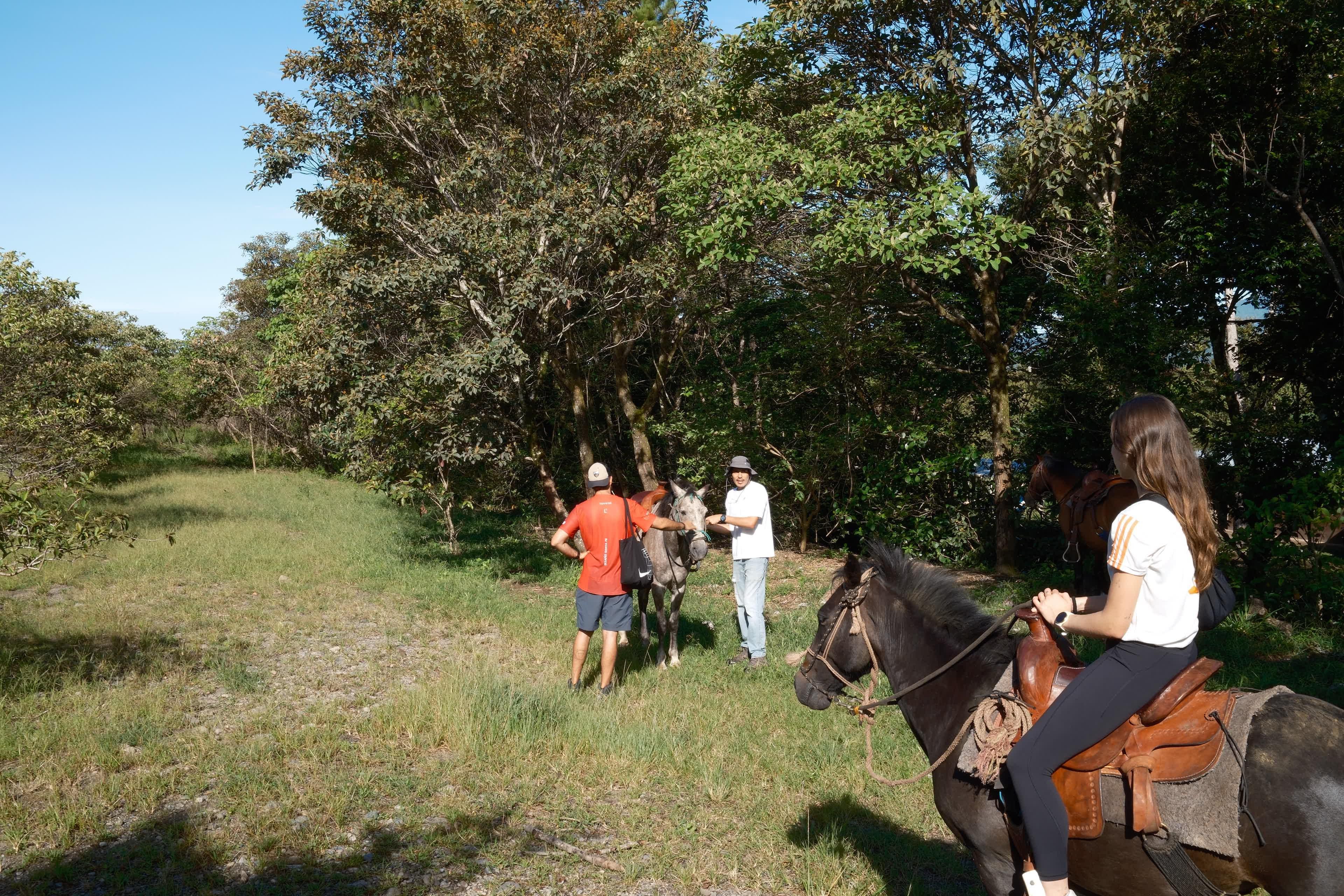
Explore private mountain trails on horseback with volcano views and cloud forest immersion
2 hours
Free Cancellation
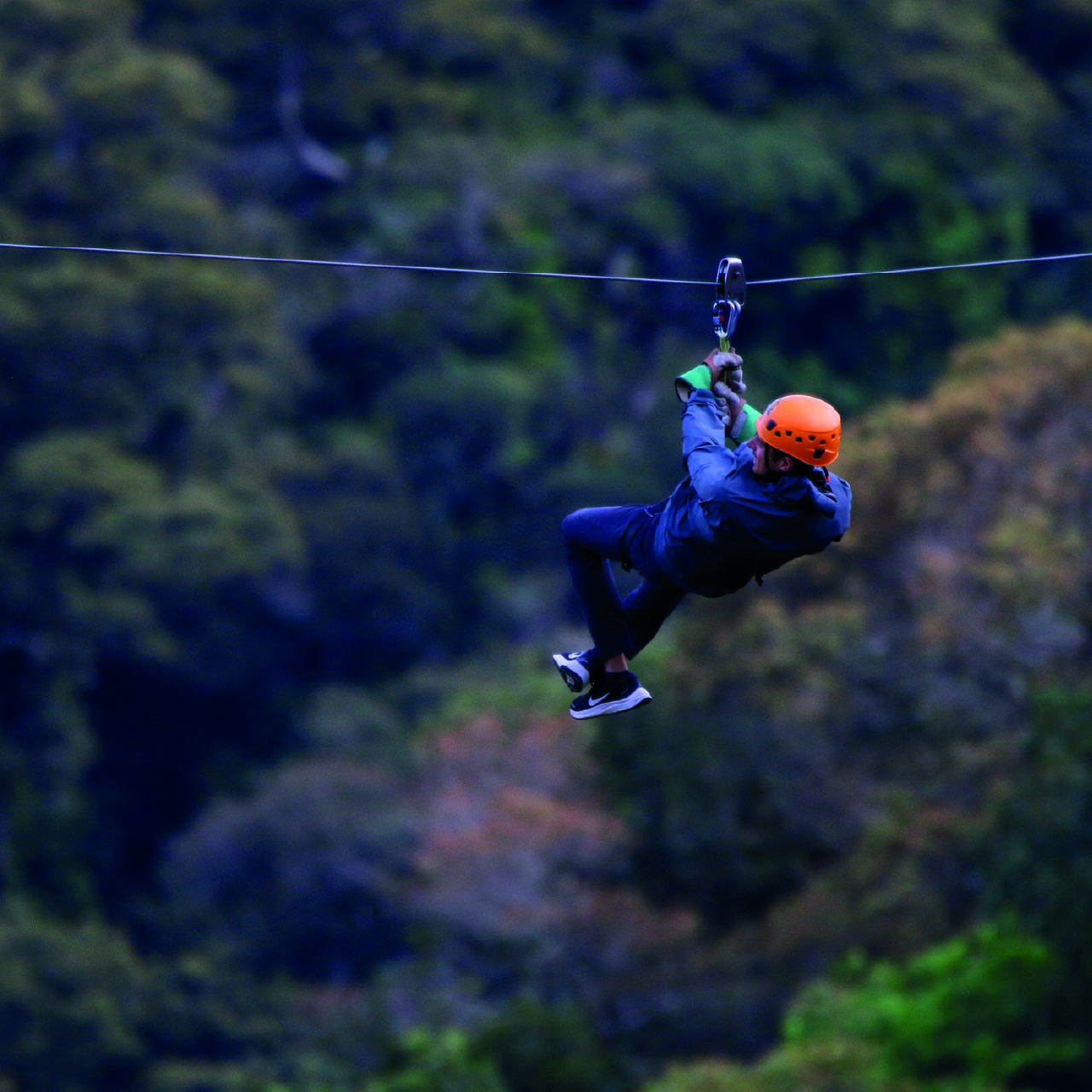
Soar through 4.5km of canopy on 12 cables above ancient forest, waterfalls, and volcanic peaks
Learn about the shade-grown coffee strategy and systemic farming approaches during these boquete coffee tours.
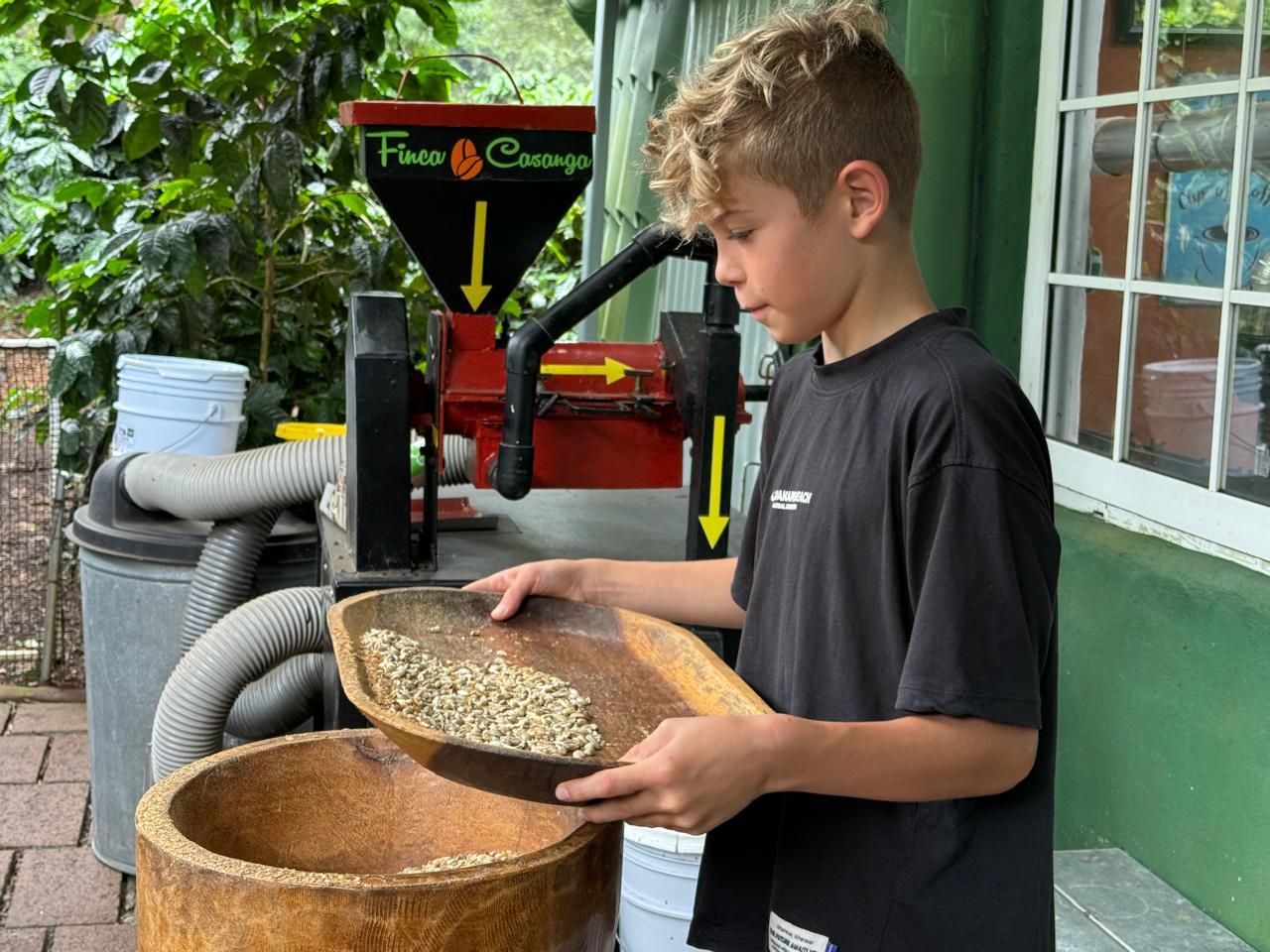
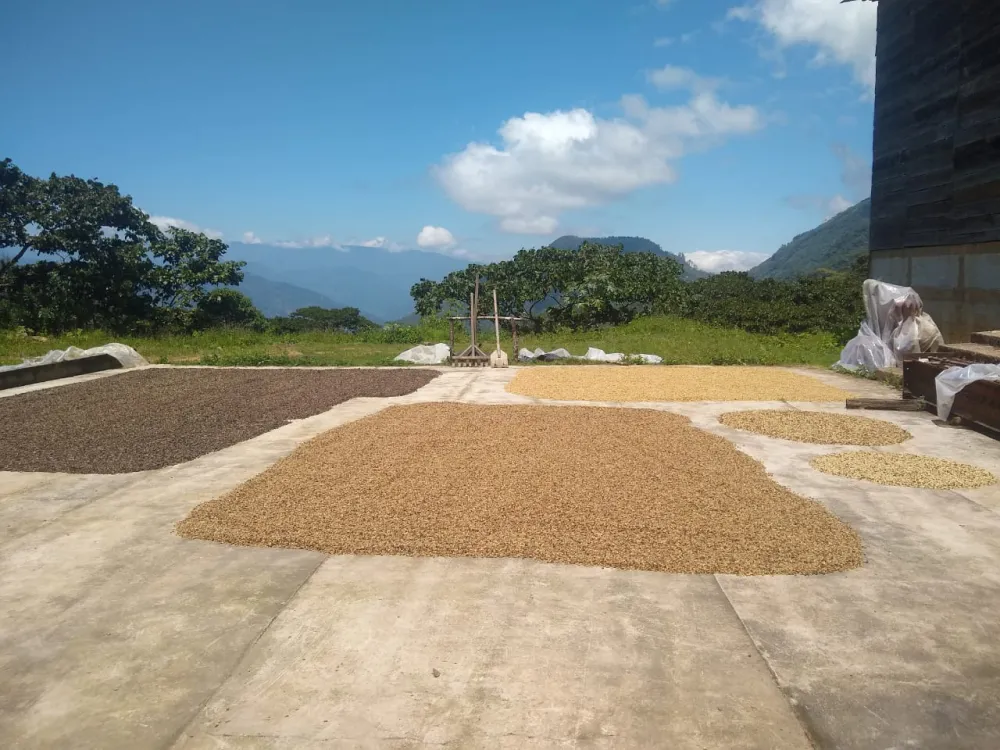
Observe the wet and dry artisan processing systems to understand how quality is maintained.
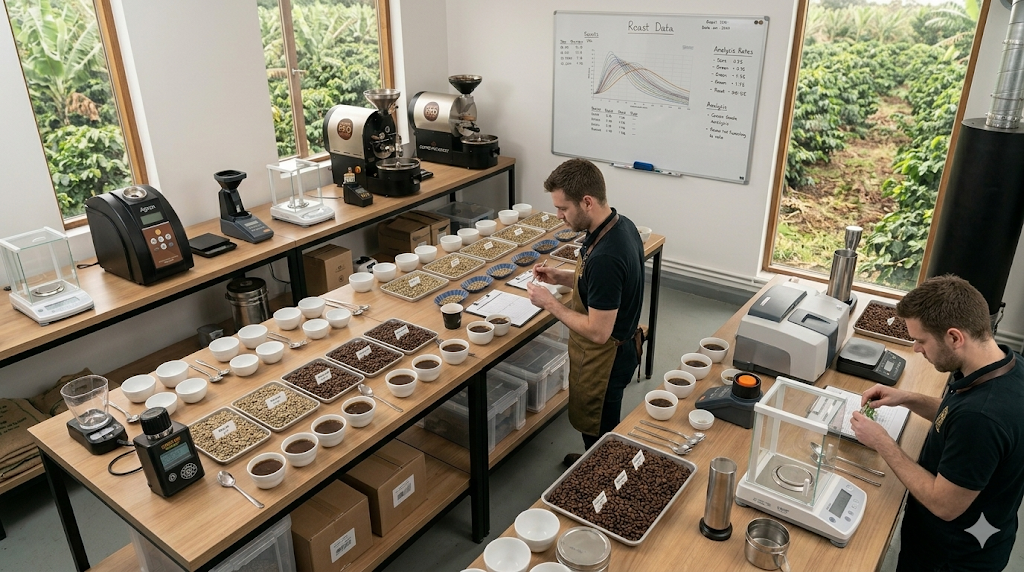
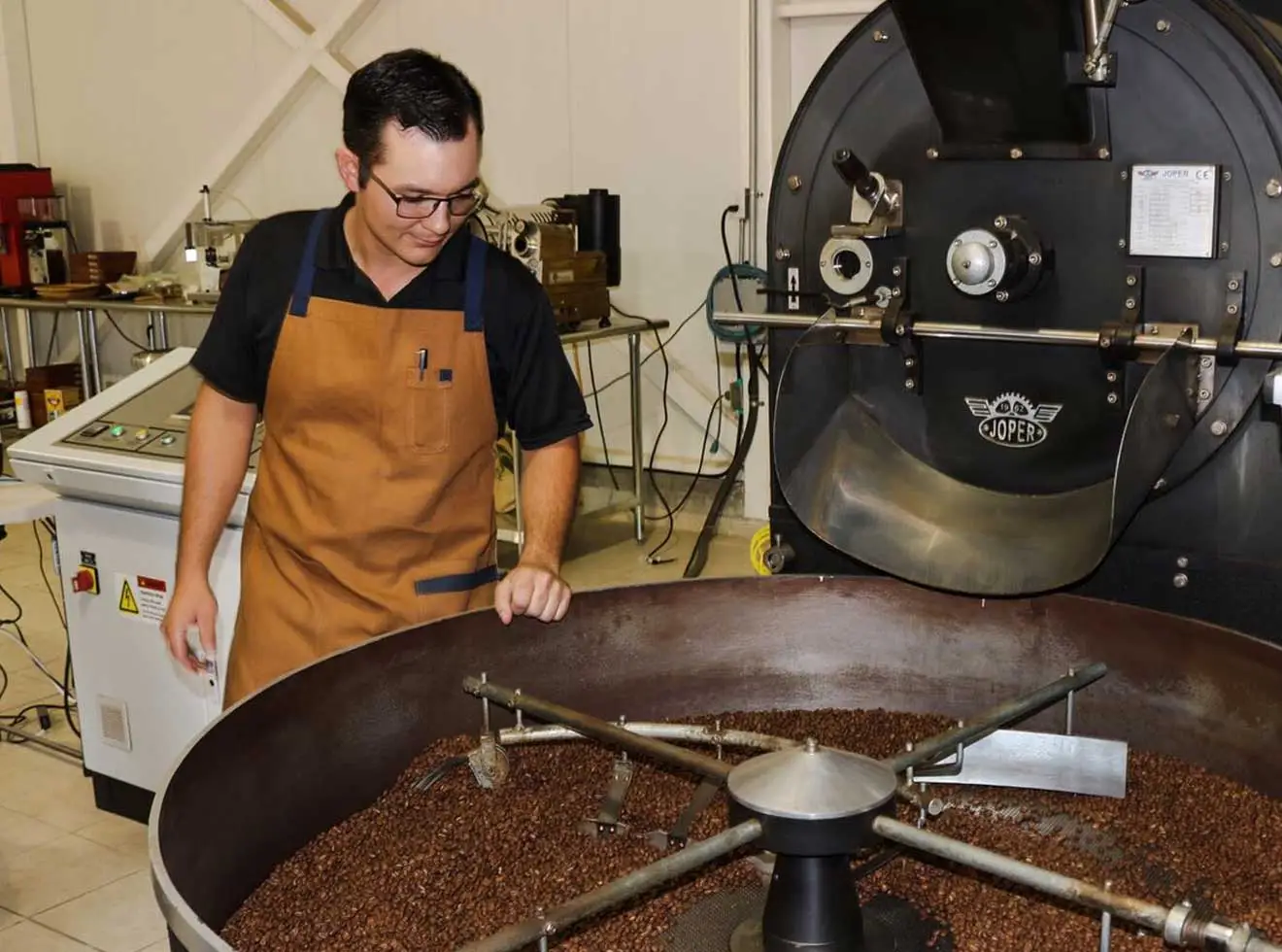
Discover the science of roasting and cup profiling inside the specialized lab area.
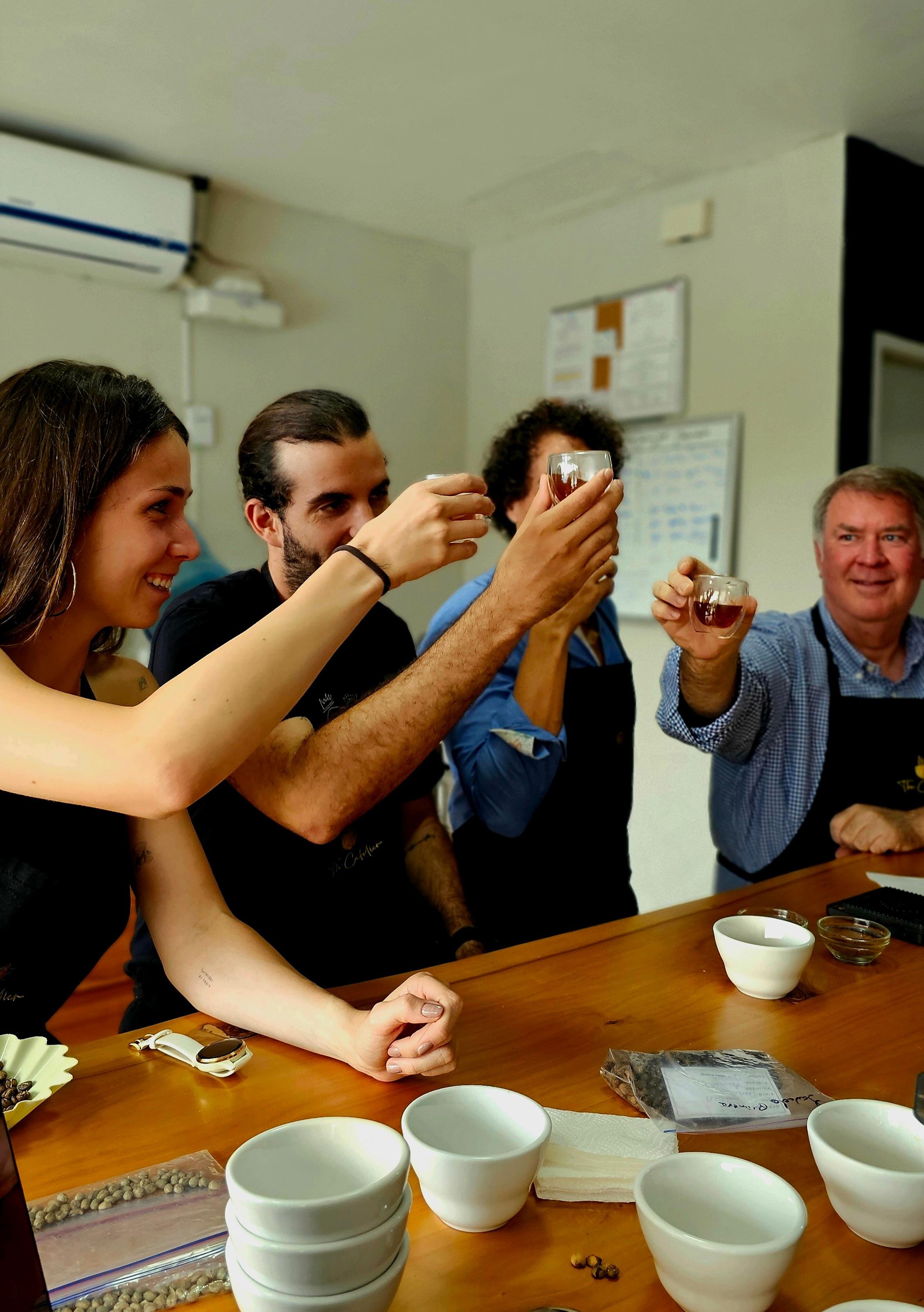
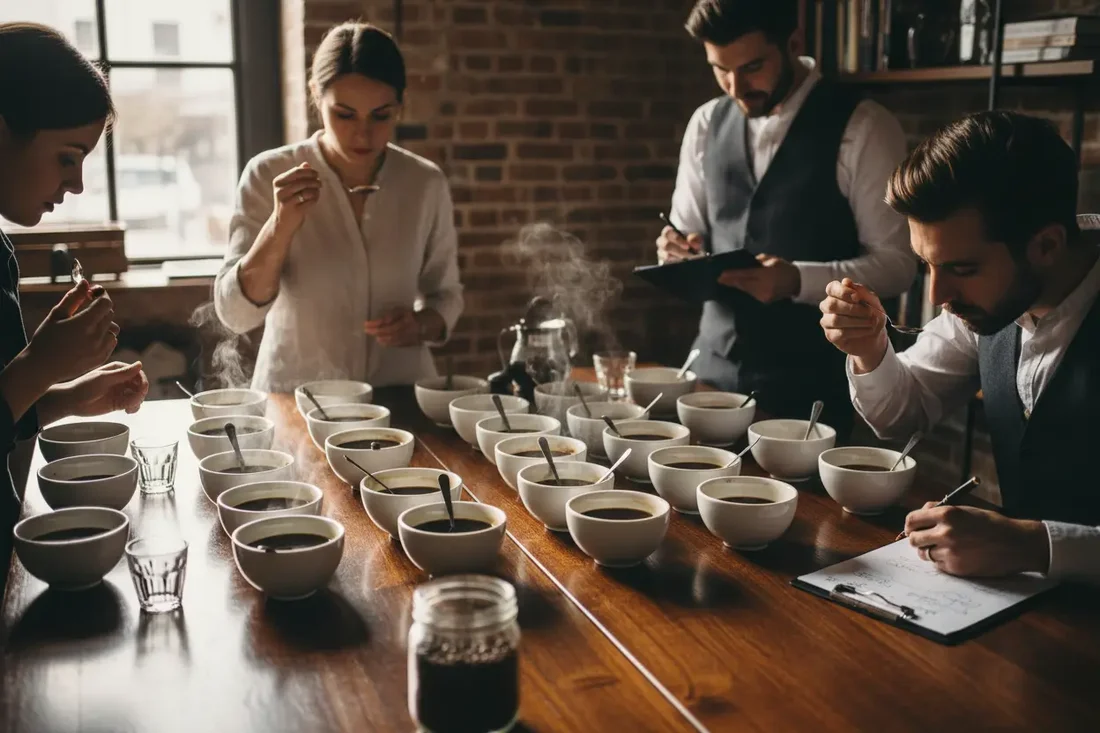
Participate in a guided session to explore coffee flavor nuances and Boquete-grown varietals.
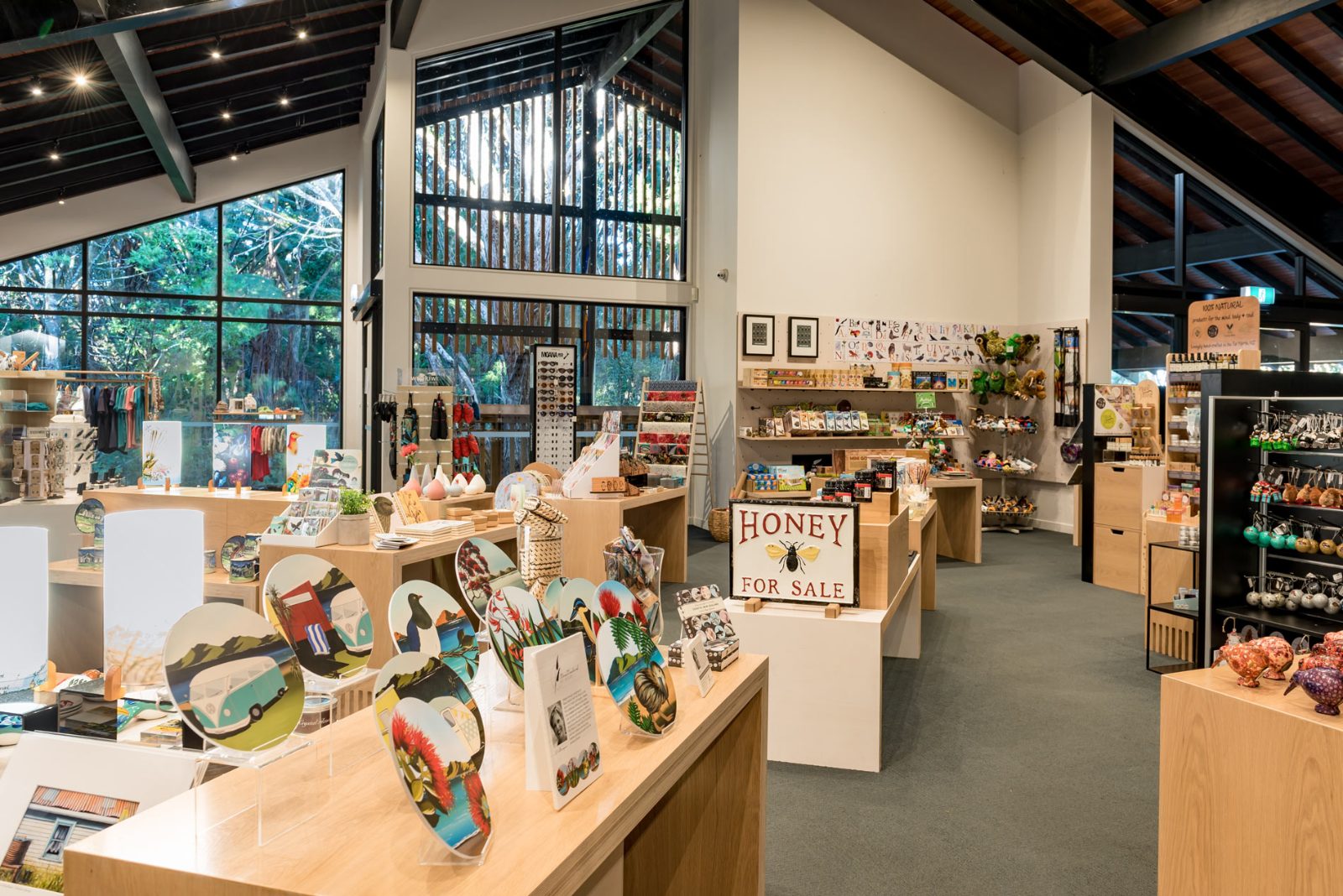
Browse a selection of local specialty coffees and beans at the main retail location.
All the details about your upcoming adventure in one place
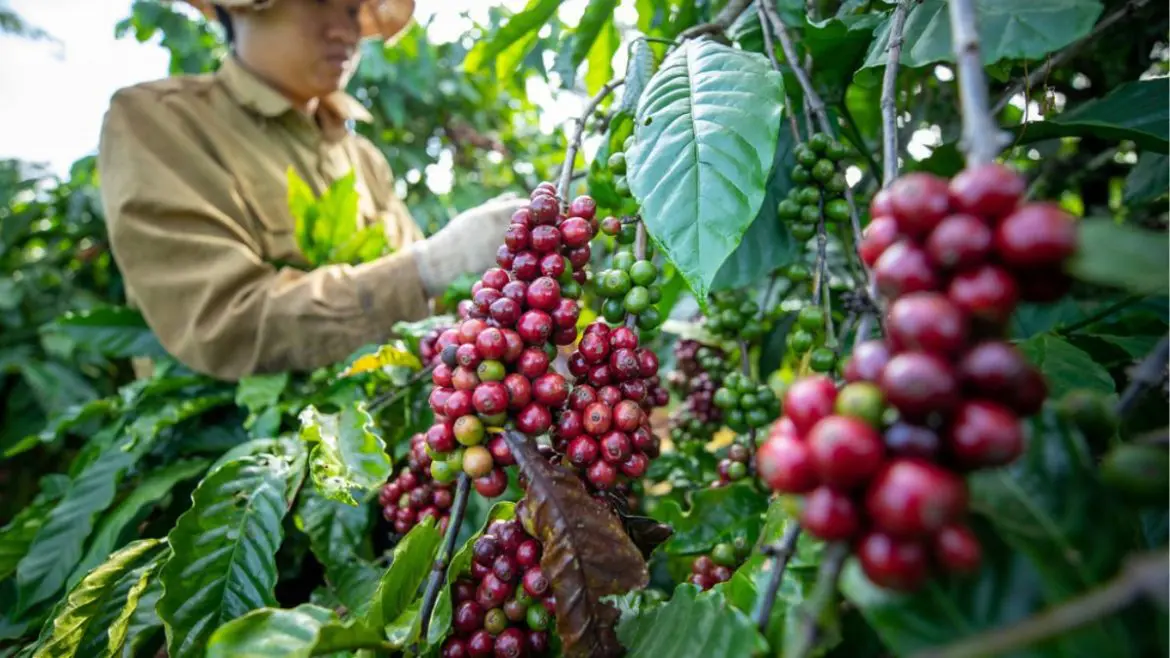
Set on the volcanic slopes below Volcán Barú, Boquete coffee tours walk you through a working finca from shaded arabica rows to the wet mill, drying patios, and roastery. Guides explain how altitude, mineral soil, and Chiriquí's misty bajareque rains shape the region's celebrated Geisha varietal, and most farms close with a guided cupping of their own lots. Small-group boquete coffee tours tickets are usually booked directly with the estate, and several fincas run recorridos de café in both Spanish and English.
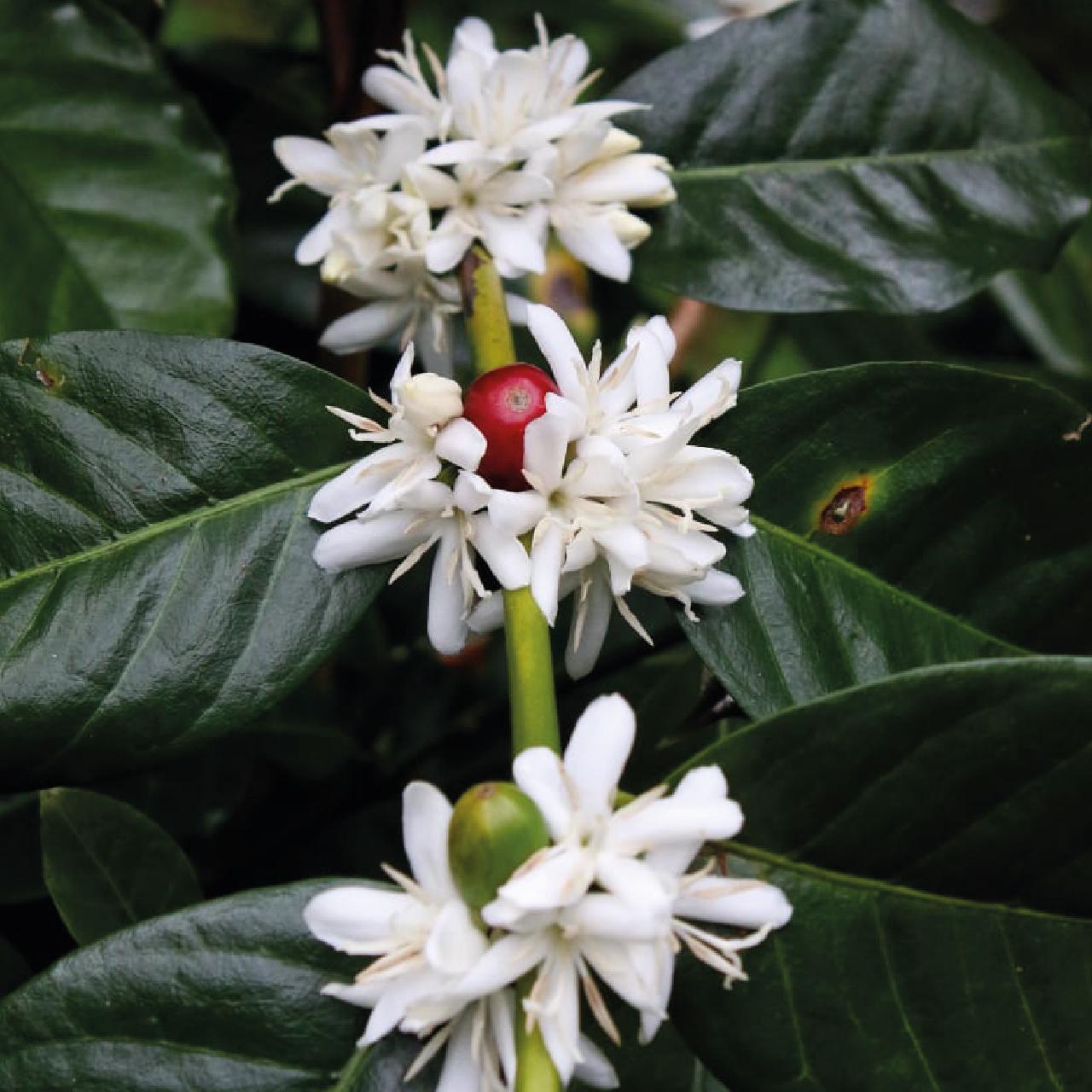
The Geisha varietal that made this valley famous was, for decades, dismissed as a low-yield curiosity — planted as windbreak, left largely unpicked. Its rediscovery at auction in the early 2000s reordered the global specialty market and turned a small Panamanian town into a pilgrimage site for roasters.
Boquete coffee tours grew directly out of that reversal.
The setting explains much of the crop. Boquete sits at roughly 1,200 metres in the Chiriquí highlands, on the eastern flank of Volcán Barú, Panama's highest peak. Volcanic soil holds nutrients; altitude slows cherry maturation; and the bajareque — a fine wind-driven mist that drifts across the ridges most afternoons — supplies moisture without drowning the roots. Cloud forest borders the upper fincas. Shade trees stand among the rows rather than being cleared from them.
Commercial cultivation began here in the late nineteenth century, when European settlers followed the Chiriquí land grants into the valley. Several of the estates that anchor today's boquete coffee farm tour circuit descend from those first plantings, and the processing sheds along Avenida Central still occupy their original footprints. That continuity is unusual in Central American agriculture, where consolidation erased most smallholder architecture decades ago.
What a visitor encounters now is a working landscape rather than a museum of one. A boquete coffee plantation tour moves through nursery beds, terraced planting rows, the depulping channels, raised drying beds, and the mill floor where parchment is hulled and graded. Guides explain wet processing against natural and honey methods, then set out the cupping table — the standardised tasting protocol by which lots are scored and priced. Harvest runs roughly December through March; the rest of the year the emphasis shifts to pruning, grafting, and soil work, all of it visible on a boquete coffee tour panama itinerary.
The town itself remains small. Bajo Boquete is the commercial centre, a grid of a few streets beside the Caldera River, with the Barú trailheads, the orchid gardens, and the hot springs all within a short radius. Coffee is not a sideline attraction here but the organising economy, which is why the estates open their gates at all.
That openness is the real subject. Few agricultural regions permit outsiders onto the mill floor mid-season. In Boquete, boquete coffee tours function as an extension of the trade — part education, part quality control, part argument for what altitude and patience can do to a single seed.

Coffee is not a sideline attraction in Boquete but the organising economy, which is why the estates open their gates at all.
Cancellations made after the boquete coffee tours activity has begun result in a 50% refund. Please note the standard entrance fee is 25 USD per person.
Coffee reached the slopes of Volcán Barú in the late nineteenth century, carried by European settlers who found the volcanic soil unusually generous. Boquete was formally established as a district in 1911, and by then Arabica seedlings already terraced the Caldera River valley. The altitude — roughly 1,000 to 1,900 metres — slowed cherry maturation. Slow maturation concentrated sugars. The result was a bean that fetched premium prices long before specialty grading existed. The Ruiz family began cultivating here in 1929, and their operation became one of the region's enduring names. Boquete coffee tours grew out of that working infrastructure rather than any tourism plan: the beneficio, the drying patios, the roasting floor. Visitors were, at first, buyers. The 1976 eruption scare at Volcán Barú tested nerves without damaging harvests. Frost in 1985 damaged fruiting branches across several fincas, forcing replanting that quietly modernised varietal selection. The decisive turn came in 2004, when a Hacienda La Esmeralda lot of Geisha won the Best of Panama competition and shattered auction records. The Geisha varietal, brought from Ethiopia via Costa Rica in the 1960s, had been planted as a windbreak and largely ignored. Its jasmine-and-bergamot cup rewrote the region's economics. A Boquete coffee tours tour today is inseparable from that reputation, and demand for boquete coffee tours tickets rose steadily through the specialty-coffee boom. The cultural impact was broad: seasonal Ngäbe-Buglé pickers, cupping laboratories, a town reoriented around harvest cycles running October to February. What survives is a working landscape, not a museum. The mill on Avenida Central in Bajo Boquete still processes fruit. Volcán Barú coffee estate visits continue on the same tracks. As of 2026, boquete coffee tours tours remain rooted in the agriculture that made the valley's name.
European settlers introduced Arabica coffee to the volcanic slopes surrounding Volcán Barú.
Boquete was formally established as a district, with coffee already its dominant crop.
The Ruiz family began coffee cultivation in the Boquete valley, later building one of the region's first processing mills.
Geisha seed from Ethiopia arrived via Costa Rica and was planted on several fincas as an unremarkable windbreak.
A severe frost damaged fruiting branches across the highlands, forcing widespread replanting and varietal revision.
A Hacienda La Esmeralda Geisha lot won Best of Panama and broke the world auction record, transforming the region's reputation.
Estates opened their beneficios, drying patios and cupping rooms to visitors, formalising the guided-tour trade.
Working mills in Bajo Boquete continue to process each October-to-February harvest while receiving visitors.
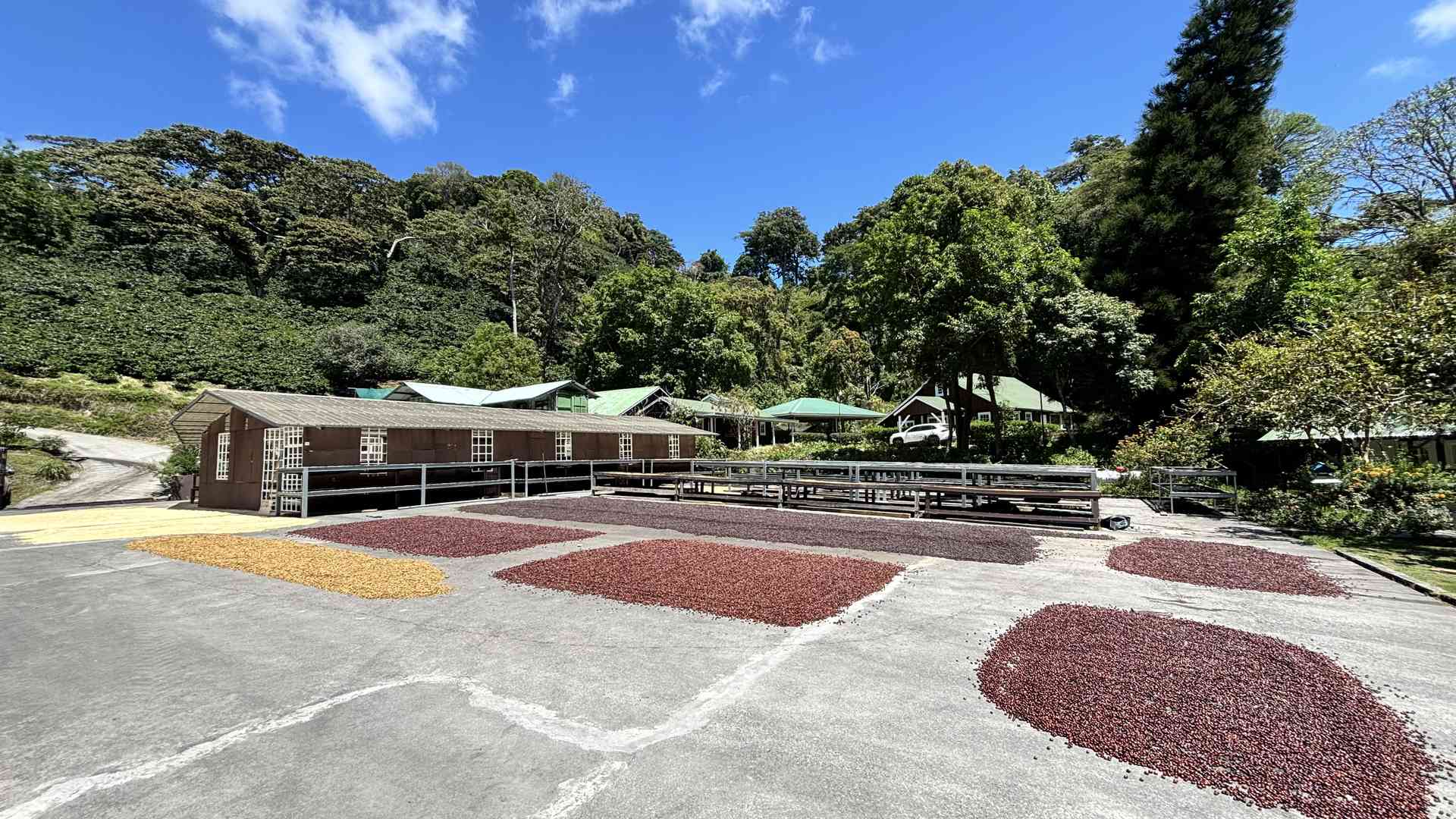
Capture the vibrant contrast of freshly harvested red cherries spread across the concrete slabs against the lush green valley backdrop. Stand near the edge of the drying zone to frame the machinery alongside the plantation slopes during boquete coffee tours.
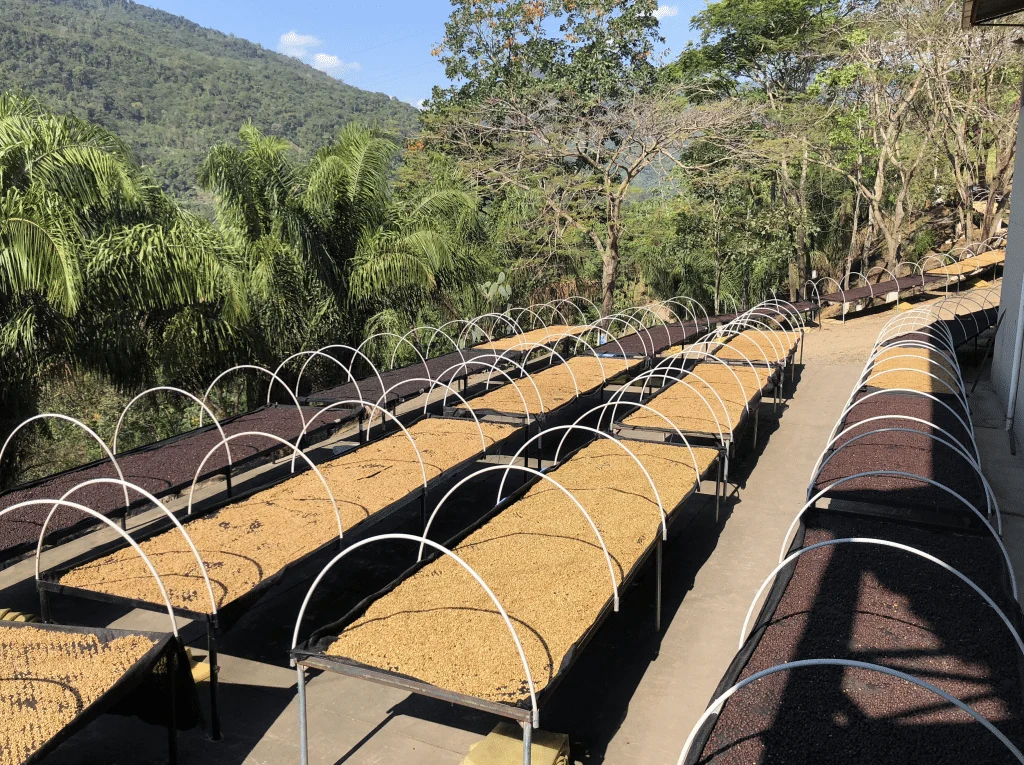
Photograph the rows of elevated mesh tables where beans undergo solar dehydration to highlight repetitive patterns and textures. This vantage point requires a low angle to emphasize the length of the drying rows as part of your boquete coffee tours tour.
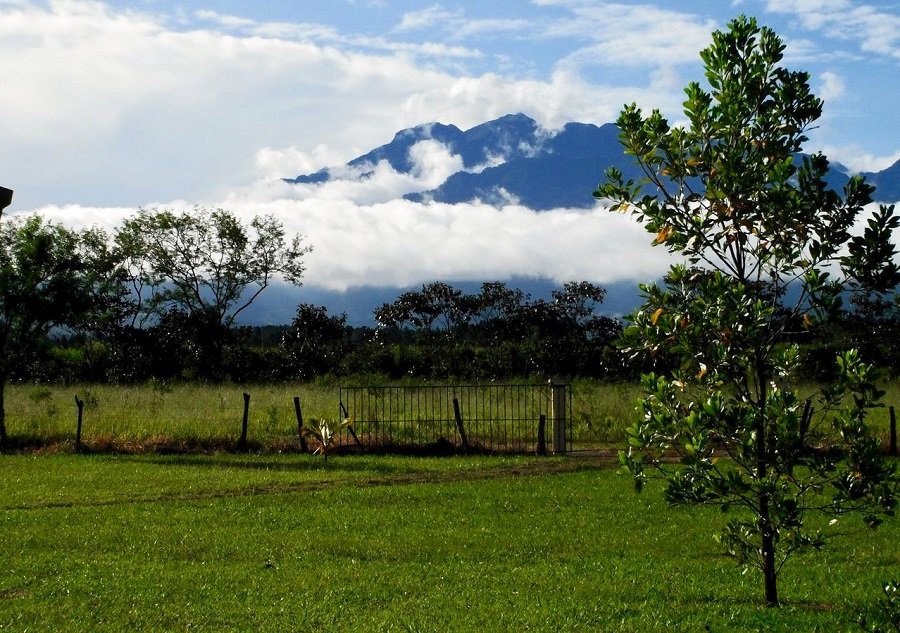
Position yourself at the highest point of the estate to frame the distant Volcán Barú peaks rising above the dense canopy. This spot offers an expansive perspective of the highland terrain that makes boquete coffee tours tickets a necessity for landscape enthusiasts.
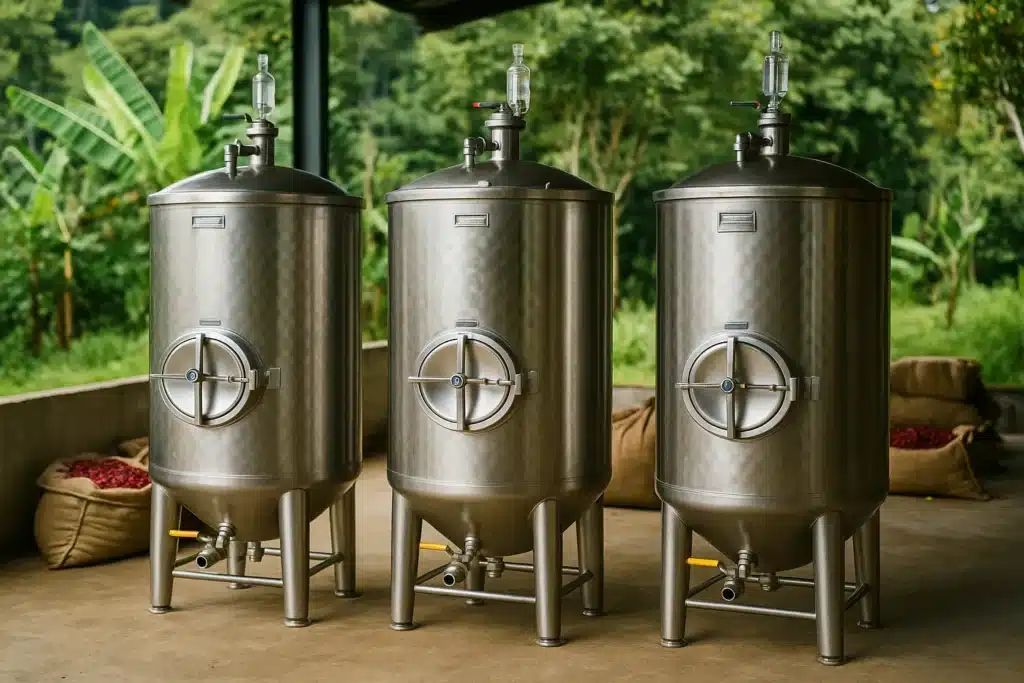
Focus on the rhythmic alignment of large stainless steel tanks set against the rustic wooden architecture of the mill. Use a wide lens to include the filtered light streaming through the rafters which enhances the industrial aesthetic for those seeking boquete coffee tours tours.
Everything you need to know for your journey
Yes, reservation is required to ensure a spot on our boquete coffee tours.
Children are welcome but must be supervised by an adult at all times during boquete coffee tours.
We recommend long pants, long sleeves, and sturdy shoes for all boquete coffee tours.
You can explore the nearby Volcán Barú or visit the local Tuesday market after your boquete coffee tours.
Join thousands of happy travelers who have discovered this incredible experience
Book Your Experience Now